
Insights, Latin America
Latin American students: your route to an EU passport is 2 years, not 10
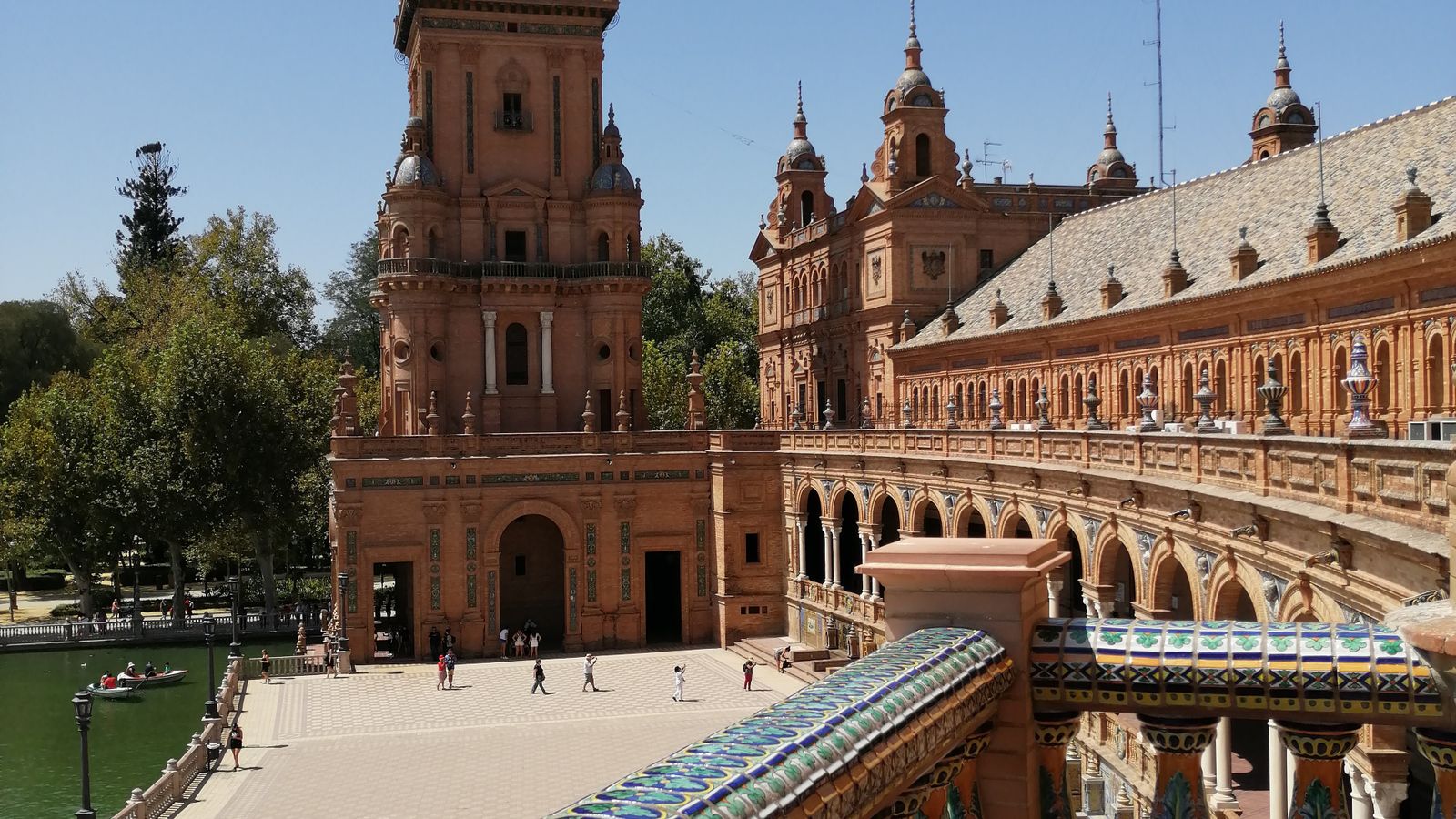
If you're from Latin America, you've probably spent time weighing up the same handful of countries as every other international student: Germany, the Netherlands, Ireland. Somewhere in that list, you're missing something. You hold an advantage almost nobody else studying in Europe has, and it's written directly into Spanish law. Used properly, it can turn a degree in Spain into a European passport in a fraction of the time it takes almost anyone else on earth.
The two-year passport most agents never mention
Under Article 22 of the Spanish Civil Code, nationals of Ibero-American countries, Argentina, Brazil, Mexico, Colombia, Chile, Peru and the rest, can apply for Spanish citizenship after just two years of legal residence. For almost everyone else on the planet, the wait is ten. And crucially, the years you spend in Spain on a student residence permit count toward that clock, so the degree itself is already doing the work. A Spanish passport is an EU passport, and it lets you live, work and study freely across all 27 EU countries for the rest of your life. That is the real prize hiding behind a Spanish degree, and it is one only Latin Americans, Andorrans, Filipinos and a handful of others can reach this fast.
What an EU passport would actually change
44
A Spanish passport opens 44 destinations yours cannot reach.
Your passport ranks
72 of 199
104 visa-free destinations today
A Spanish passport ranks
13 of 199
Spain
Spain has routes that end in citizenship, and how long they take depends on your nationality and how cleanly your residence is set up from day one. We will tell you honestly which one fits you.
See if you qualifyMobility ranking only. It says nothing about your right to live, study or work in a country, which is what the routes below actually decide. Passport index snapshot 2026-08-19.
You keep your own passport too
Here's the part that tends to stop people in their tracks: you don't have to give up your original nationality to get this. Under Spain's bilateral agreements with Ibero-American countries, you can hold both. You become Spanish, and by extension European, while staying exactly as Brazilian, Mexican or Colombian as you were before. It's dual citizenship by design, not a loophole you have to fight for.
And in 2025, they dropped the language exam too
Applicants from Ibero-American countries are now exempt from the DELE A2 Spanish language exam, a change that took effect in 2025. You'll still sit the CCSE, a short civics-and-culture test, but the language wall that slows almost everyone else down simply isn't there for you. And because you can study your whole degree in Spanish if you choose to, there's no language barrier from day one either, unlike the route most other international students have to navigate.
The two-year clock only counts if your residence is set up cleanly and continuously from the very first day, one gap or the wrong permit can reset it. We map your exact route, from student visa to citizenship, so nothing quietly costs you a year. Tell us your nationality and your goal, and we'll tell you honestly how fast you can really move.
The money: a scholarship built only for you
There's even funding reserved specifically for you. The Fundación Carolina programme is offering 736 scholarships and grants in its latest call, 228 of them for postgraduate study, aimed exclusively at Latin American students coming to Spain. The packages typically cover most of the enrolment fee, a return flight from your home country, a monthly stipend and medical insurance. Deadlines fall early in the year, around February and March, which makes this a decision to start now, before it becomes a decision made too late.
The honest part, because we always tell it
This route is genuinely powerful, but it is a route, not a gift, and three things about it are worth reading carefully. The two-year rule applies to nationals by origin specifically, meaning people who were born citizens of an Ibero-American country. A passport picked up later through naturalisation somewhere else doesn't qualify. The two years also have to be continuous and legal, on top of a clean record and the CCSE exam, and the clock only starts once your residence is properly, correctly in place, not before. And Spanish bureaucracy itself is slow and often backlogged, so while the eligibility threshold is two years, the paperwork and processing around it can stretch things further. The students who actually win here are the ones who set everything up correctly from day one, not the ones who rush it later.
Given all that, this route fits a fairly specific person well: someone who holds an Ibero-American nationality by origin and wants a genuine European future built on top of the degree itself. It fits someone comfortable studying in Spanish, or in one of Spain's many English-taught master's programmes, and willing to actually live there for at least two years. And it fits someone prepared to get their residence paperwork right from the very start, so the clock runs clean instead of resetting. Where it doesn't fit is anyone expecting instant or automatic citizenship, or anyone whose Ibero-American passport came through naturalisation instead of birth. For that second group, Spain is still a wonderful place to study. It just isn't a two-year shortcut into the EU.
The two-year pathway, the 2025 language-exam exemption and the scholarship figures here reflect the current rules and the latest published call. Immigration and nationality law changes, and eligibility always turns on your exact nationality and residence history, so confirm the specifics for your case before relying on them.
Keep exploring
One door always opens another.
Pull the next thread. Each one ends somewhere useful, a clearer shortlist, a real number, a plan you can keep, whether or not you ever work with us.
See where you fit on the map
Slide your grades and budget and watch Europe light up with your real matches.
Open thisTake the two minute assessment
A few honest questions and you walk away with a personal blueprint, free.
Open thisStudy in Germany
Free public tuition and the strongest job market in Europe.
Open thisStudy in Italy
Income based tuition and some of the most generous aid on the continent.
Open thisStudy in France
World names, tiny public fees, a generous safety net.
Open thisRead the hard truths
The traps agents paid by commission will never warn you about.
Open thisAsk us on WhatsApp
One honest message. No script, no pressure, a real person who has walked it.
Open thisWe do this for you, properly, every time.
Don't navigate this alone. Take the free 2-minute path finder and get a personalised read on exactly where you stand.
This guide reflects Visagrad's own view and information gathered at the time of writing. Rules, fees, deadlines and timelines can change quickly, and some details may already have moved. Nothing here is official, legal or immigration advice. For accurate, up-to-date guidance built around your own situation, speak with us first.