
Europe Mobility Intelligence
Notes from the road to Europe.
Sourced, plain-English analysis of what actually decides who lands in Europe and who doesn't: study routes, work visas, scholarship timelines and the quiet immigration-rule changes that sink applications. Written by us, checked, no fluff.

Estonia puts no hour limit on student work. The limit is your transcript
Non-EU students in Estonia can work without a permit and without a weekly cap, which almost no other EU country offers. The condition is academic: pass a full course load and finish on time. Here is how that rule, the nine months after graduation and the half-counted years fit together.

The UK raised the money it asks students to show, and the new figure applies to anyone who applies from 30 November
The UK's latest immigration rules took effect on 8 October, and the part that touches most students is a small-looking rise in the monthly maintenance figure. It starts on 30 November and sits next to a bigger settlement change that is still only a proposal.

Spain is short of air-conditioning technicians, but your refrigerant licence from home won't open the door
Spain's refrigeration and climate trades say they are thousands of technicians short, and the summer of 2026 broke sales records. The legal catch is Royal Decree 115/2017: only certified people may handle refrigerant, and a certificate from outside the EU is not on the list of things Spain will accept.

Spain doesn't ask for one police certificate. It asks for one from every country you lived in over five years
Most applicants apostille the police certificate from their home country and think the criminal-record requirement is done. Spain's rule is about where you have lived, not where you hold a passport, and the country you spent a year in three years ago is the one that stalls the file.

Spain keeps your pension contributions when you leave. A two-year rule decides whether they ever pay out
A Spanish pension needs 15 years of contributions, two of them in the 15 years before you retire. Spain refunds nothing, has no agreement with India or Pakistan, and only some nationalities can take their unemployment benefit home as a lump sum.

Three years in Spain plus two in Germany do not add up to an EU long-term residence permit
The EU's five-year long-term residence permit counts time in one country only. The 2022 plan to let years add up across borders collapsed in Council in March 2024. Study years count at half, and Blue Card holders get the only real exception.

Germany will hire a welder on experience alone, but a one-year Indian ITI certificate fails the first test
Section 6 of Germany's Employment Ordinance lets a skilled tradesperson in without full recognition of their qualification. It asks for two years of training, two years of recent experience and a salary near €45,630. The ITI welder trade is a one-year course, and that detail decides who gets in.

Malta teaches in English by law. Check the college's licence before you pay a cent
English is one of Malta's two official languages, so many colleges accept a medium-of-instruction letter in place of IELTS. The same island has revoked or frozen a string of private college licences since 2024, and its visa makes you pay tuition before you know if you'll get in. Here is how to tell the safe offers apart.

The EU signed off its new return law on Thursday, and the part that reaches students and workers has nothing to do with return hubs
On 1 October EU interior ministers gave final approval to the Return Regulation, with Spain the only country voting no. The headlines went to centres outside Europe. For anyone whose permit lapses, the real change arrives a year later: 30 days to leave, a mandatory entry ban if you don't, and up to ten years out.

Spain doesn't reunite your family because you're married. A certificate dated to the month does that
Spain's family reunification runs on paper, not on the fact of a marriage: a literal certificate, not an extract, apostilled and dated inside a strict window. For many Indian couples the real obstacle comes earlier, because a religious wedding was never registered with a civil authority at all.

In Spain, a job offer doesn't insure you. The Social Security alta does, and the two dates rarely match
Spain's public healthcare switches on the day you're registered with Social Security, not the day you sign a contract or your work authorisation is approved. Employees, the newly self-employed and job-search permit holders each hit this gap differently, and cancelling private cover a few weeks too early is the 2026 mistake almost nobody warns you about.

Italy sent its citizenship crackdown to Europe's highest court, and it is still fully in force while you wait
Italy's Constitutional Court referred its two-generation limit on citizenship by descent to the EU Court of Justice in July 2026 instead of ruling on it. The law stays in force for years while Luxembourg decides. Here is what that means if you have Italian ancestry, and the two honest routes to Italy that never depended on it.

Spain approves the work permit. It still isn't active until your employer clears a second deadline, months later
Getting an employer-sponsored work permit approved in Spain is the pass-fail moment everyone braces for, and it isn't the only one. A second, quieter deadline waits after you land: the authorisation's legal effect stays suspended until your employer registers you with Social Security, and the regulation gives that step three months too.

Luxembourg treats foreign students like its own and PhD candidates like employees, until citizenship asks for a language spoken nowhere else
The University of Luxembourg charges the same tuition to everyone regardless of nationality, and its PhD candidates are hired on real employment contracts worth up to €54,574 a year through the national research fund. The honest catch: a five-year route to citizenship that runs through a language almost nobody outside the country speaks.
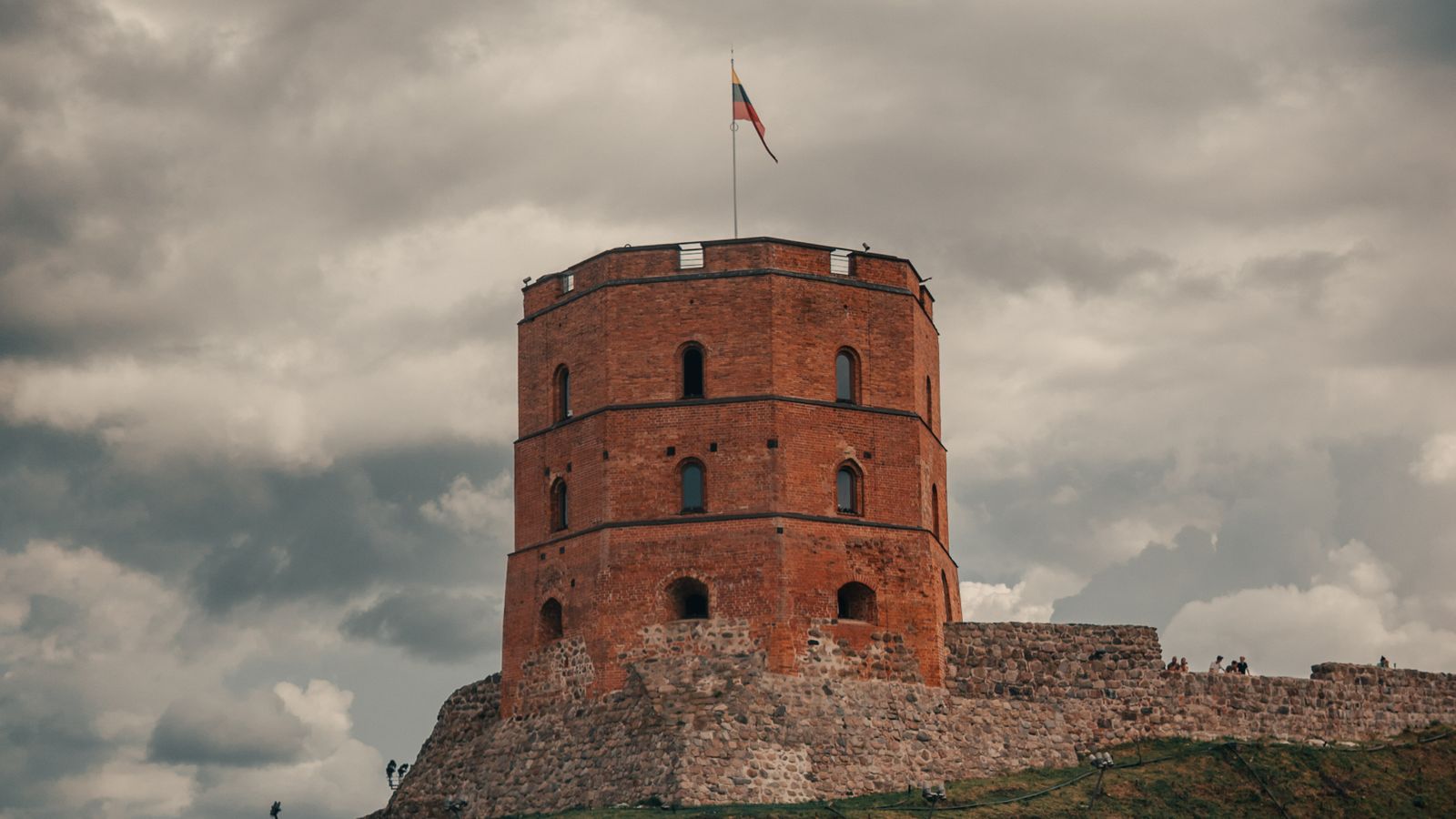
A Lithuanian medical degree costs about €78,300 in tuition. Whether it counts back home rides on one two-minute check almost nobody makes for you
Lithuania's medical schools admit NEET-qualified Indian students into six-year, English-taught MD programmes with no donation and no capitation. The honest guide: what a school like LSMU actually costs, the WDOMS listing check that decides whether NMC will ever register the degree, and why the exam this cohort graduates into is not the one being advertised.
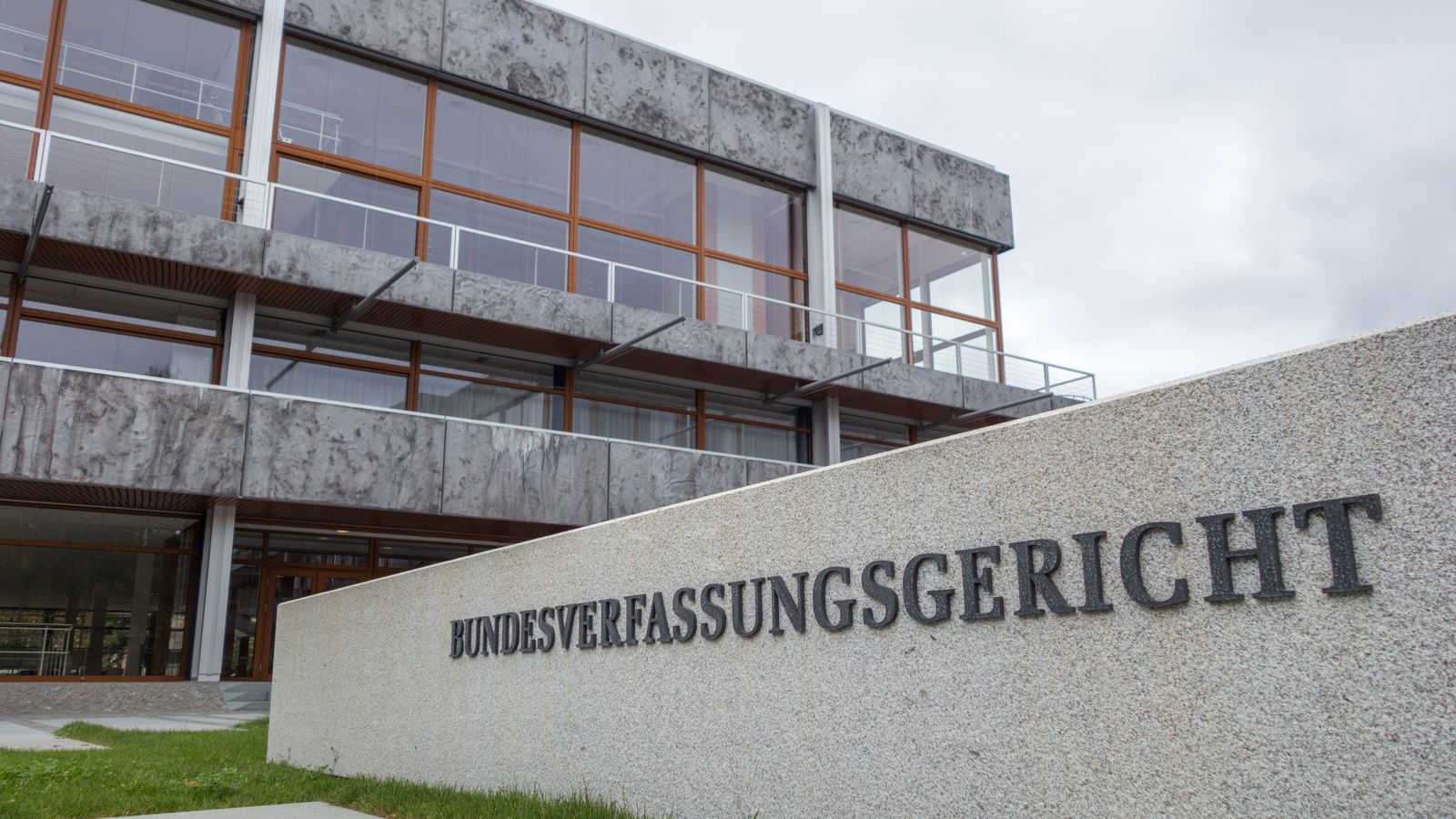
Germany deleted its three-year citizenship shortcut, and never wrote a rule for the people caught inside it
Germany repealed the three-year fast track to citizenship on 30 October 2025 and wrote no transition rule for pending applications, unlike Portugal, whose own reform was forced into one by its Constitutional Court. Here is what naturalisation honestly requires now: five years, dual citizenship kept, and the one place your student years count in full.

Spain's Supreme Court cut ten pieces out of the immigration regulation, and the one that touches most readers is not the one in the headlines
Two Supreme Court judgments against Spain's immigration regulation were printed in the official gazette on 22 September, and only then did the provisions they struck stop applying to everyone. Ten fell. The criminal record headline is far narrower than it sounds. The one both courts killed is the rule that forced student extensions and first work permits to be filed online.

Spain only asks you to homologate your degree if your profession is regulated, and most are not
Spain resolved 85,564 foreign degree files in 2025, and 79.7 per cent of the favourable homologations went to medicine. If your job is not a regulated profession, the immigration rules never asked you to join that queue. Six months with a presumed no, against twenty days with a presumed yes.

Spain issued more residence permits than any country in Europe last year, and study was the smallest door
The EU issued a record 3.9 million first residence permits in 2025, and Spain issued more of them than anyone, 635,438, ahead of Germany. Work was the reason behind a third of them and grew fastest. Study finished last at 15.5 per cent. India was the second nationality on the list, and for Indians employment was the main reason of all. Plus the EU reopening the Schengen visa rulebook, and a US court ruling on 14 September.

Ireland's care worker quota nearly tripled in twenty months, and the waiting list still hasn't moved
Ireland has rewritten the permit cap for care workers and home carers three times since September 2024: 500, then 1,134, then 1,495. The HSE says the reason its own home support waiting list won't shrink is staff, not funding. Here's what the quota actually opens, and what it still doesn't.

Spain's TIE appointment now books itself, if your resolution doesn't depend on a visa
For years, a TIE fingerprint appointment in Spain meant racing bots and, for some, paying resellers who charged up to 400 euros a slot. In 2026 Spain began assigning that appointment automatically in two provinces, but only for resolutions that don't depend on a visa, family reunification, or a work sponsorship, so most applicants are still watching the old booking portal.

Spain has to give your child a school place, and the deadline that decides which one closes in spring
Spanish law gives every child under sixteen a free school place whatever your immigration status says, and a school will open an enrolment on a padrón and a passport alone. What it will not give you is a choice of school, because that is settled months earlier in a spring admission round your visa almost never reaches. Miss it and the points for proximity, siblings and income stop counting entirely.

Portugal doubled the wait for citizenship to ten years, then quietly moved the day the clock starts
Lei Orgânica 1/2026 took Portuguese naturalisation from five years to ten, and to seven for CPLP and EU nationals. The change almost nobody reported is the repeal of article 15(4): your residence now counts from the day the permit is granted, not the day you applied, which quietly adds every month AIMA kept you waiting onto the far end of your clock.

Germany will let you move there to look for a job you don't have yet, if you can score six points
Germany's Opportunity Card lets a qualified professional move there for up to a year with no employer and no contract in hand, decided instead by a scorecard on qualifications, experience, language and age. Six points get you in; what happens in the twelve months after is entirely on you.

Ireland moved citizenship from five years to eight this week, and none of it is law yet
On Monday the Irish government approved priority drafting of a bill taking naturalisation from five years to eight, with a language test, a civics test and an income floor added on top. Nothing has changed yet, no transitional arrangement exists, and the last time Ireland tightened this rule the applications already filed were judged under the old one. Plus Denmark's new employer route for 2027 and Belgium's new residence document.

Ireland set a 1,000-permit quota for mechanics, and the last one sold out in under a year
Ireland doesn't put car mechanics on its Critical Skills list. It puts a hard number on them instead, and every number it has tried so far has run out. In May 2026 that number became 1,000, the salary floor is one most mechanics already clear, and passing the labour market test still doesn't guarantee you one of the slots.
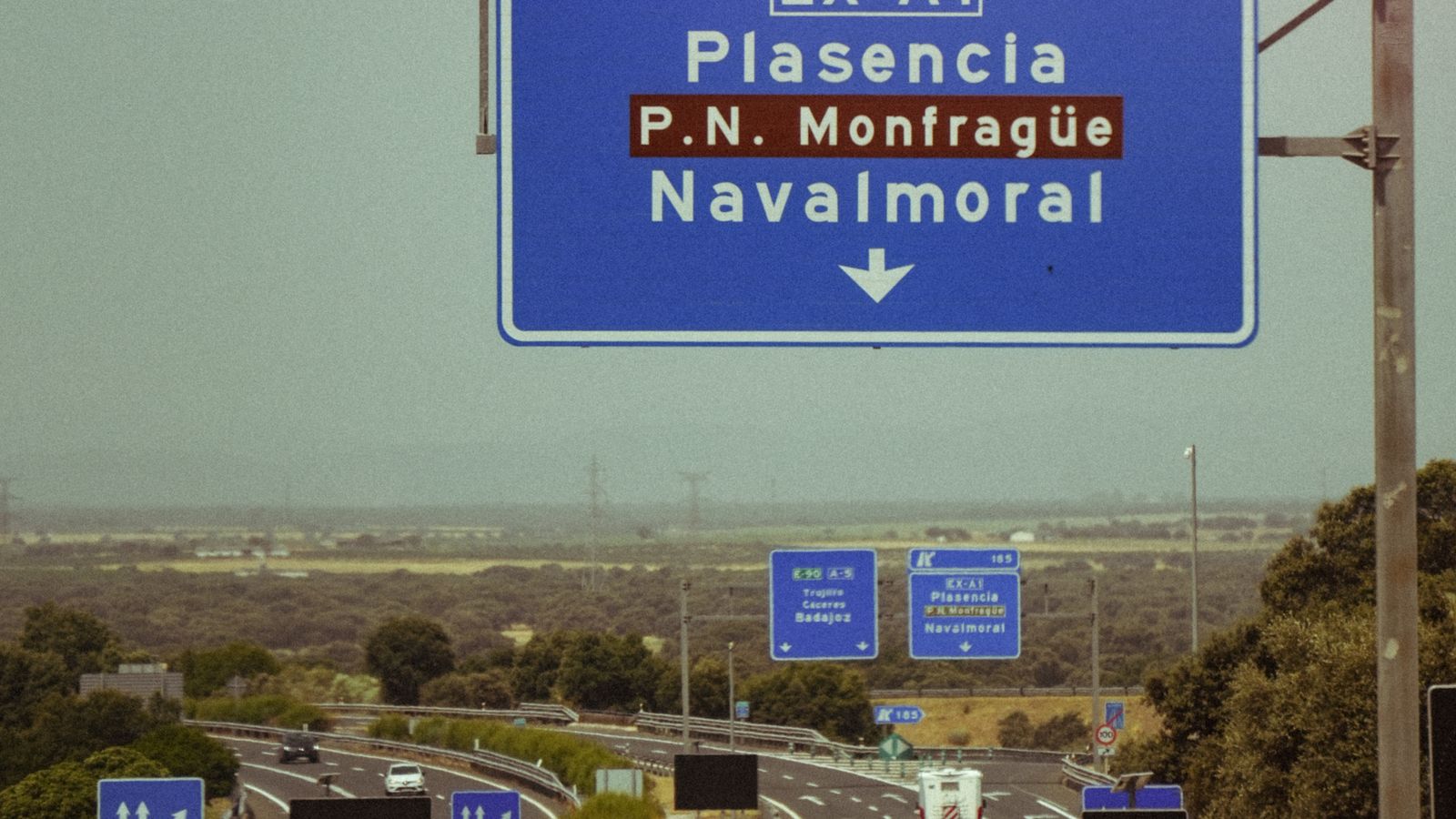
Your foreign driving licence stops being valid six months after you move to Spain, and you cannot hold a Spanish one any sooner
Spain gives a non-EU licence six months counted from the day your residence begins, not from the date printed on the card, and the international permit you bought before flying only solves the language, never the clock. Thirty-three countries can swap theirs without a test. India, Pakistan, Mexico and the United States cannot, and their holders cannot legally hold a Spanish licence until month six, the same day the old one dies.

You can spend under 183 days in Spain and still owe tax on your worldwide income
Everyone counts to 183. Article 9 of Spain's income tax law has three separate residency tests, and the one that catches newcomers has nothing to do with days: if the centre of your economic interests is in Spain, or your family lives there, you are taxed on worldwide income whatever the calendar says. Plus the sporadic-absences trap, the missing half-year, and the six-month Beckham window that is the only way out.
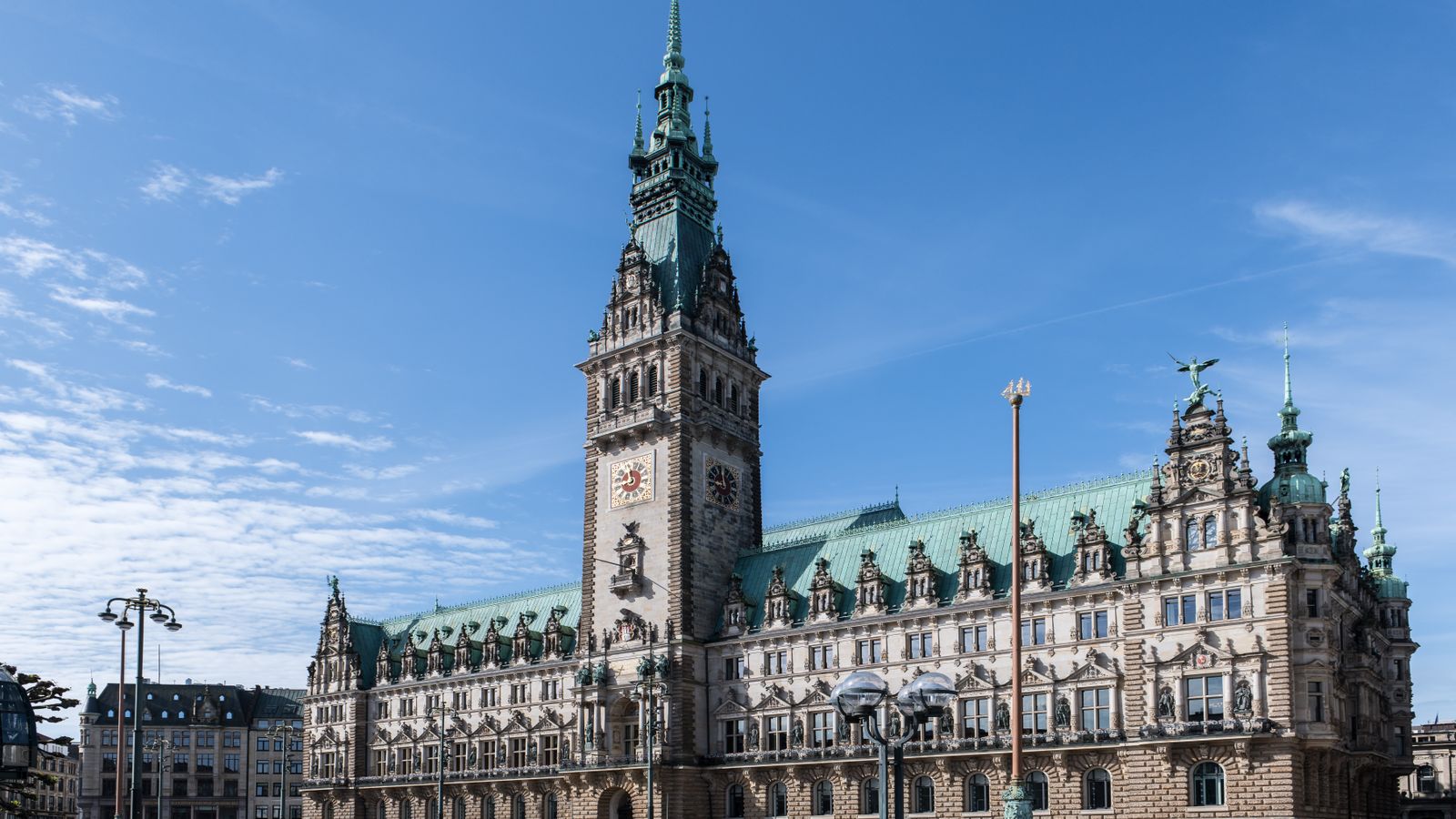
A German degree cuts the wait for permanent residence to two years, and the years you spent earning it count for nothing
Everyone quotes five years for a German settlement permit. Section 18c of the Residence Act gives a skilled worker who finished a German degree permanent residence after two years of work, and 21 months if the salary reaches the Blue Card threshold. The same law gives your student years zero credit on that clock, and half credit on the slow one.
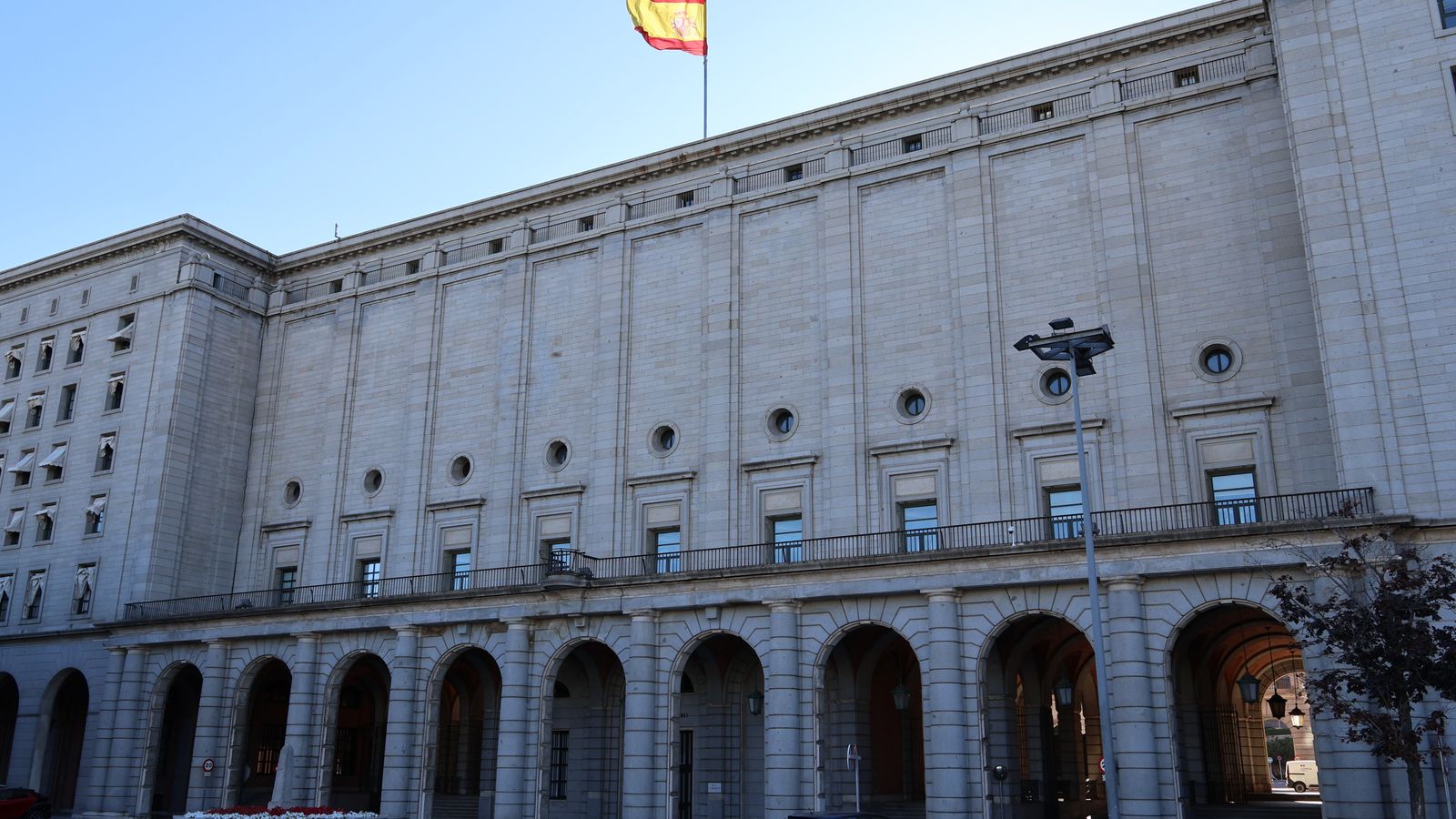
Spain lets you turn a student card into a work permit without a visa or a trip home, and the window is five months wide
When a Spanish degree ends, the usual advice is to chase the consular job-seeker visa, which has no quota open this year, or fly home and apply from there. Since May 2025 there is a third route almost nobody is shown: article 190 turns the student card in your wallet into a residence-and-work permit from inside Spain, with no visa and no labour market test. It hinges on one date and one document.
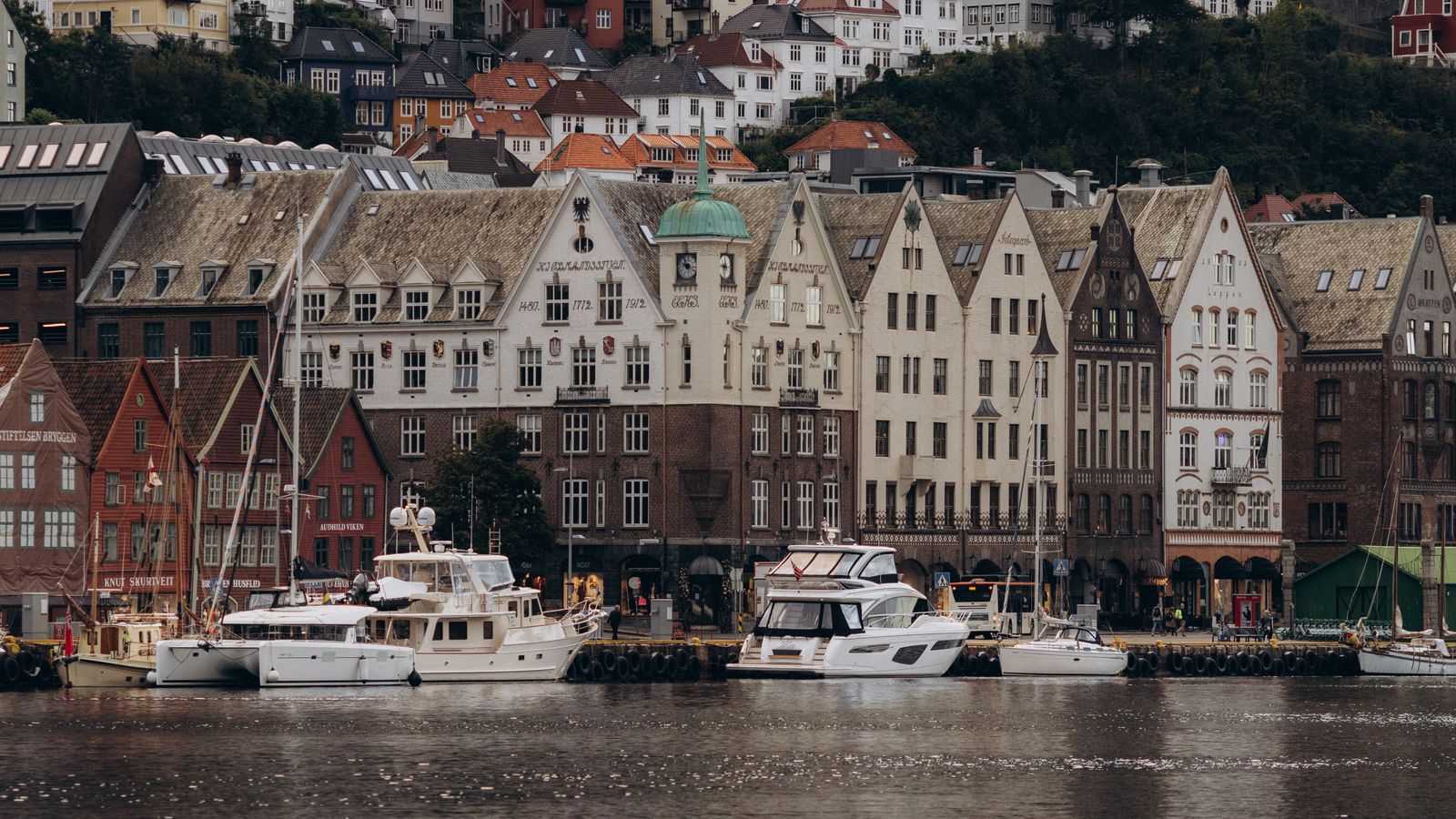
In Norway a PhD is a salaried job, and the contract you sign decides whether the years count
A doctorate in Norway is paid employment, not a scholarship. You sign a contract, draw a salary of around NOK 500,000 a year, and get a pension and holiday pay. The catch nobody explains is the residence permit: an employed PhD gets a skilled worker permit that builds toward staying, and a stipend-funded one does not, for the same research at the same desk.

Half of Schengen still has its border checks up, and this week Germany booked its into 2027
Brussels asked its members in June to start winding down internal border controls. This week the answer went the other way: Germany and Poland extended their land-border checks to mid-March 2027, seven more countries kept theirs into the winter, and the Spain-Italy checks from the Ceuta crisis are still running. Your visa still works. The journey does not look the way the brochure says.

Spain is 100,000 nurses short, and the region that opened its wards to non-EU nurses has hired 130 in eight years
Spain's public hospitals cannot give a permanent post to a nurse without an EU passport, because the law governing health service staff makes nationality a condition of entry. Andalucia lifts that condition every year for temporary contracts, and renewed it again for the whole of 2026. Since 2018 it has produced 130 nursing hires. The reason the number is so small is not the waiver.

Eighteen of the 27 jobs Spain admits it cannot fill are on ships, and the deck ones need no title recognition at all
Spain's shortage occupation list for this quarter runs to 27 jobs and 18 of them are merchant navy roles, valid in every coastal province plus Madrid and Lleida. The officer jobs on it sit behind a treaty between two states and an exam in Spanish maritime law. The deck and engine ratings do not: below officer level Spain does not require your foreign certificate to be recognised at all.

Spain will let up to 968 foreign doctors into its hospitals this year, and the exam is not the hard part
Spain's 2027 residency intake put 9,676 medical training posts on the table and lifted the ceiling for doctors with no Spanish residence permit from 4 percent to 10, which is 968 places. Applications close on 14 September, and the document that decides who may even apply has to already be in your hand.

Spain will bring your family over on €1,350 a month and bar all of them from earning it
Spain lets your spouse and children fly out with you at the start of a degree, and prices the whole household at €1,350 a month in provable funds. The migration ministry's own sheet says none of them may work. A 70 square metre flat in Madrid costs more than the threshold, and there is a discount almost nobody claims.

Spain's biggest scholarship for Latin Americans pays for everything and then sends you home
Fundación Carolina put 736 scholarships on the table for 2026-2027 and 40,785 people applied for them. Almost nobody reads the paragraph in the programme sheet that matters most: when the scholarship ends you commit to leaving Spain, which is the opposite of what a two-year citizenship plan needs.
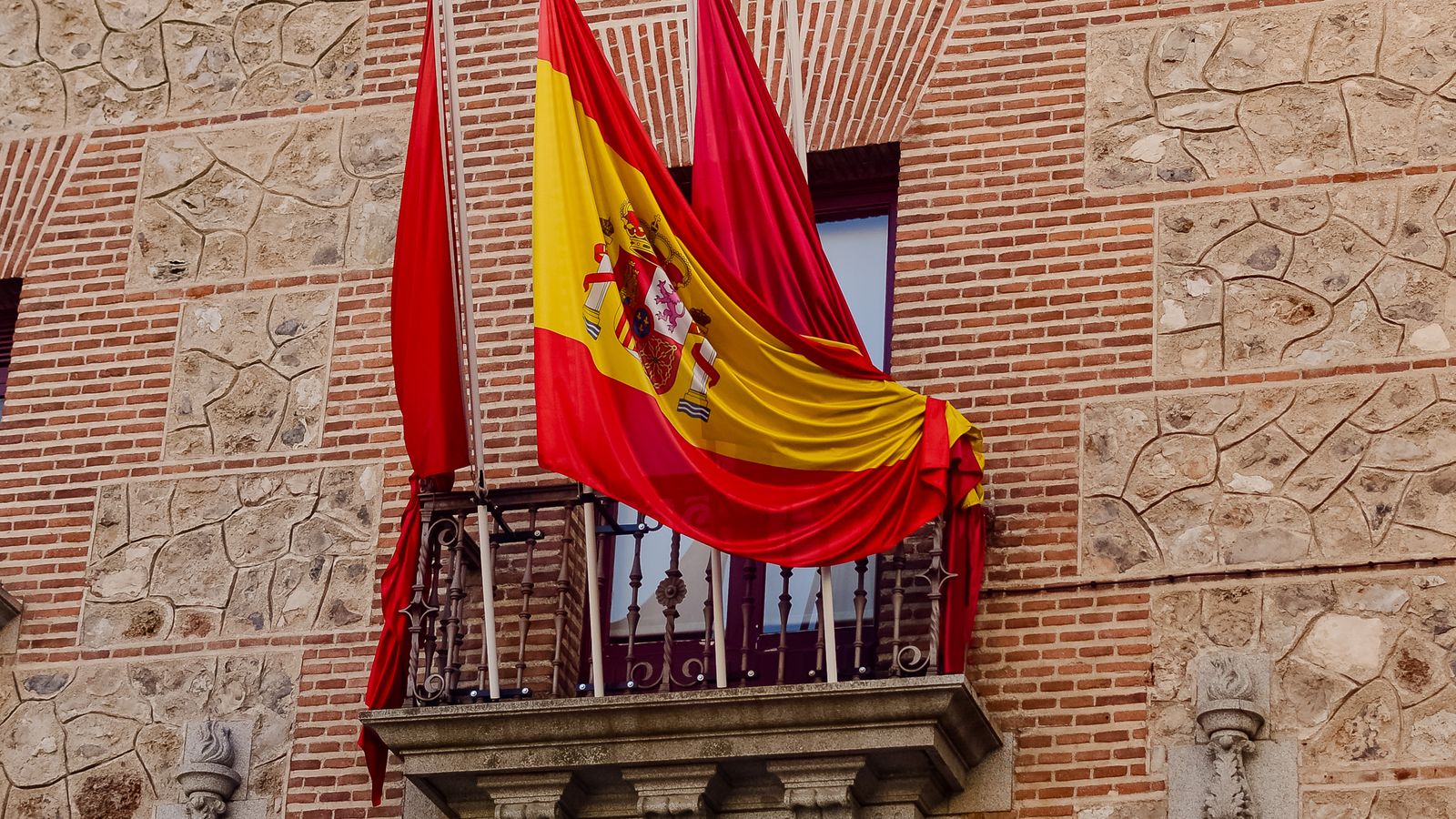
Spain rewrote its immigration and asylum law on Tuesday, and none of it reaches your student visa
The Council of Ministers approved two draft bills on 25 August, a new asylum law and a reform of the Ley de Extranjería, both built around the border. Neither touches the student stay authorisation, the work routes or arraigo, and neither is law yet. Plus Indian enrolment in Germany at a record 69,816, and a UK refusal rate a tenth of a point from the line that costs universities their licence.
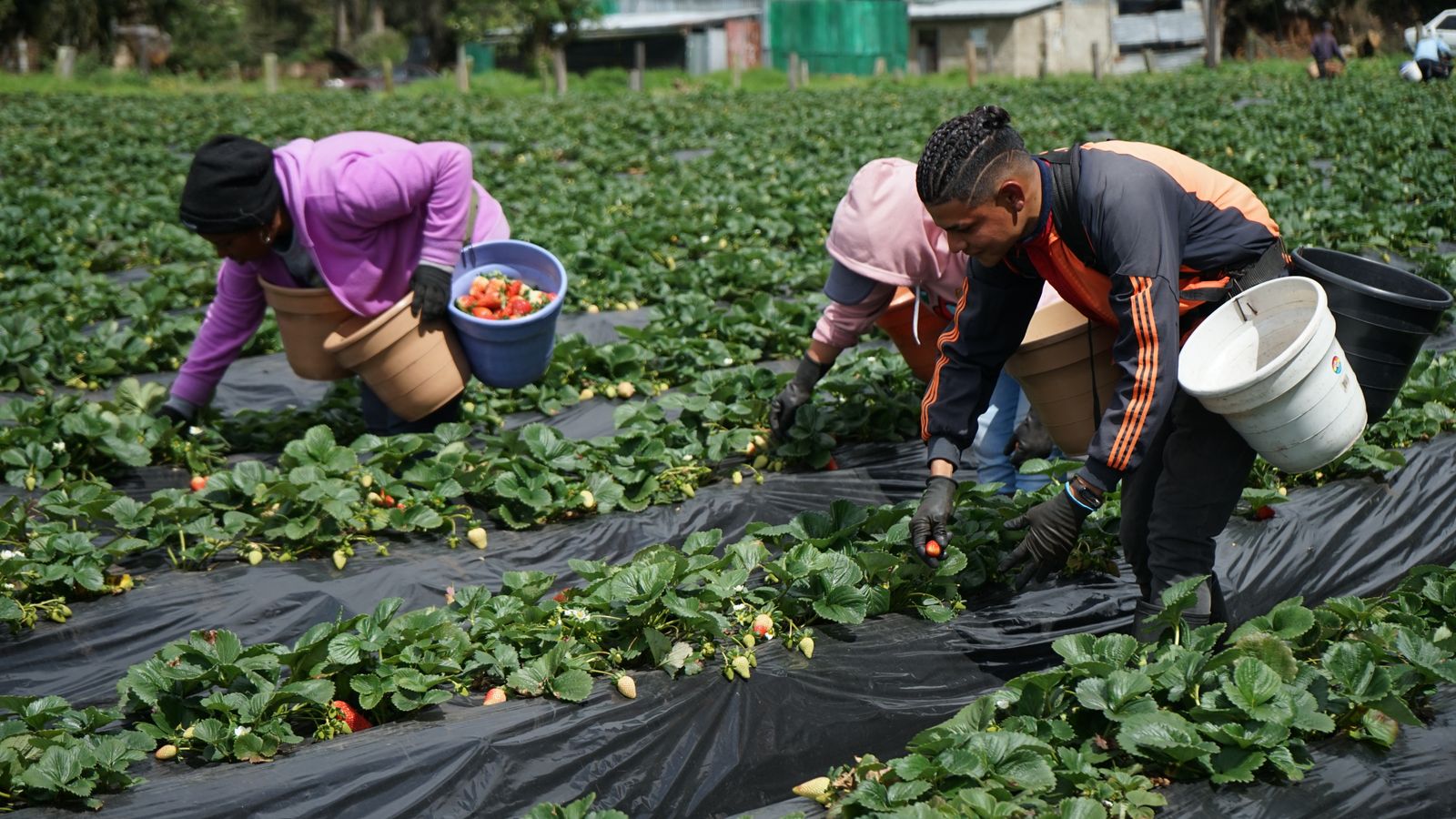
Spain brings in more than 25,000 seasonal farm workers a year, and the channel that picks them is one no agent can sell you
Spain's GECCO programme brought 25,767 people from 17 countries to work its fields in 2025, most of them to the strawberry farms of Huelva. The selection runs through your own country's public employment service, being asked for a fee is the surest sign of a scam, and whether you are called back next year depends mostly on whether you went home on time this year.

Spain is short 30,000 truck drivers, and the list that decides who can fill those seats belongs to the traffic authority
Spain converted 15,589 foreign truck and bus licences last year and still cannot find drivers. Which nationalities that door opens for is set by a driving-licence register rather than by immigration policy, the exchange only works once you already live in Spain, and truck driver does not appear on the shortage-occupation list at all.

Spain caps your rental deposit at three months, and then hands you a contract the cap does not cover
One month of fianza plus two months of extra guarantee is everything a Spanish landlord may legally demand before handing over keys. That ceiling exists only on a habitual-housing contract. On a temporada contract there is none at all, which is why the aval bancario worth a year of rent keeps landing on newcomers.

Spain will let you back in after you lose your residence, but only for two years
Spain's regularisation window closed on 30 June with just under 1.2 million applications and no extension. Almost nobody wrote about the five permanent arraigo routes the same reform left standing, one of them built for people who already had residence and lost it. Its two-year clock starts the day your permit lapses.
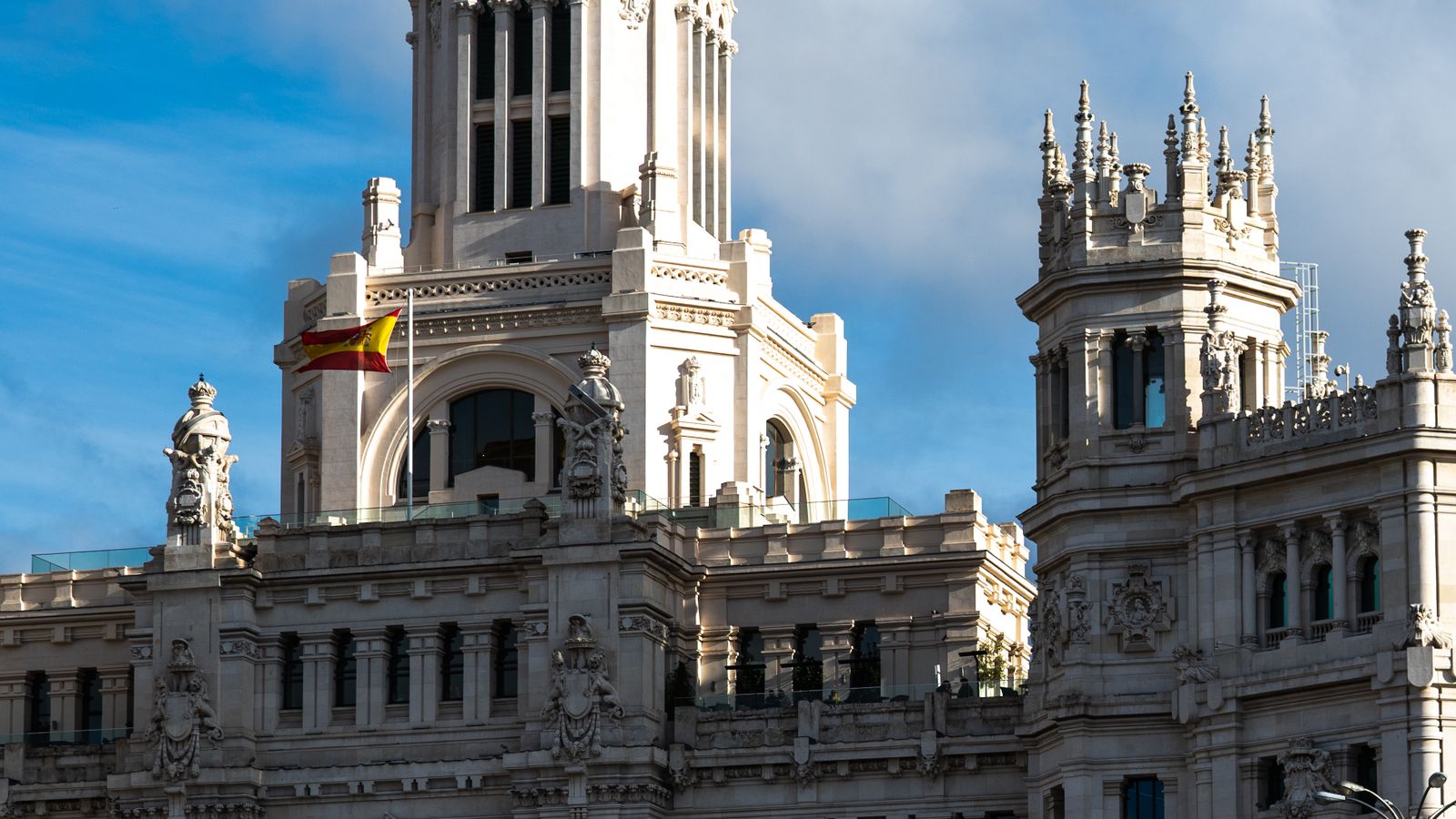
Spain gives graduates 24 months to find a job and zero right to work during them
Spain's post-study job-search permit runs for two years, longer than Germany's or the Netherlands'. It also carries no work authorisation at all, which means the day you graduate you lose the 30 hours a week your student card allowed. The consular job-seeker visa everyone is writing about has no open quota this year.

Spain's Blue Card asks €8,271 less if your degree is under three years old
Spain judges most EU Blue Card files against a salary of €41,356. Applicants whose qualification was issued within the last three years are judged at €33,085 instead. The clock starts on the date your degree was awarded, and almost nobody is told it is running.

Sweden is judging citizenship files filed at five years against an eight-year rule
In eleven weeks Sweden stopped issuing permanent residence, raised citizenship from five years to eight with no transition period, added an income floor and a civics exam, and this week passed a law making family reunification harder from October. Plus: Poland closed a work route for Colombians and Venezuelans, and ETIAS still has no launch date.
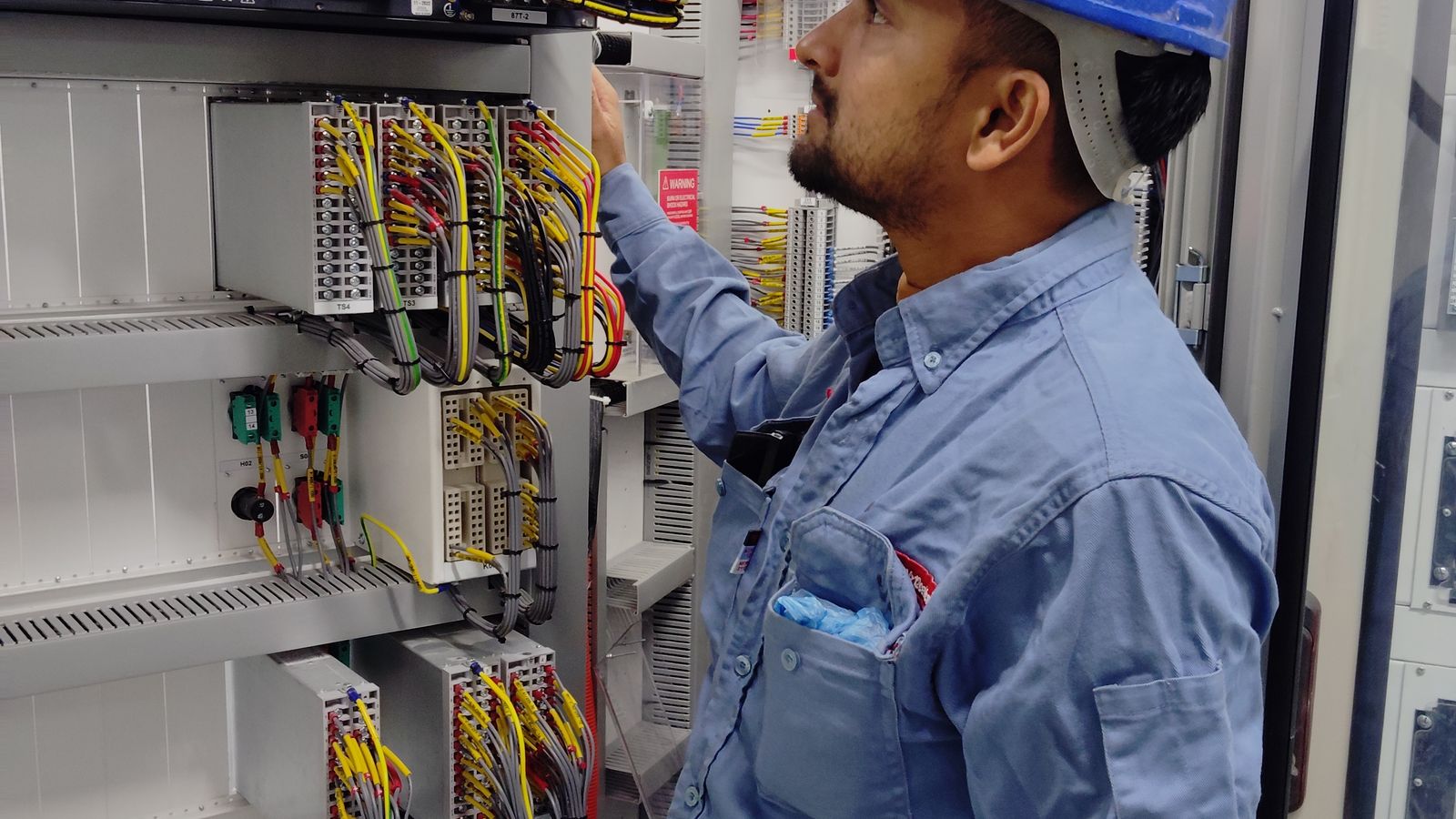
Spain's shortage occupation list has an electrician's slot open in every province
Spain publishes a quarterly list of jobs it can't fill locally, and an employer hiring into one of them skips the labour market test entirely. The list is mostly ships' crew. It also has electrical installers on it, nationwide, and almost nobody outside the trade knows.

Spain assigns your visa appointment by your home address, not the city you live in
Spain's Indian visa applications run through BLS International, not VFS, and which center you're allowed to use is fixed by your permanent address, not the city you actually live and work in. The jurisdiction rule, the weekly slot scramble, and the Power of Attorney step almost nobody explains.
Spain will reject a €600 health policy for one missing word: sin copago
Spain's student visa insurance rule isn't about price, it's about one clause: zero co-payments. What sin copago actually means, what compliant cover costs in 2026, and the cheaper public option once you're actually living there.
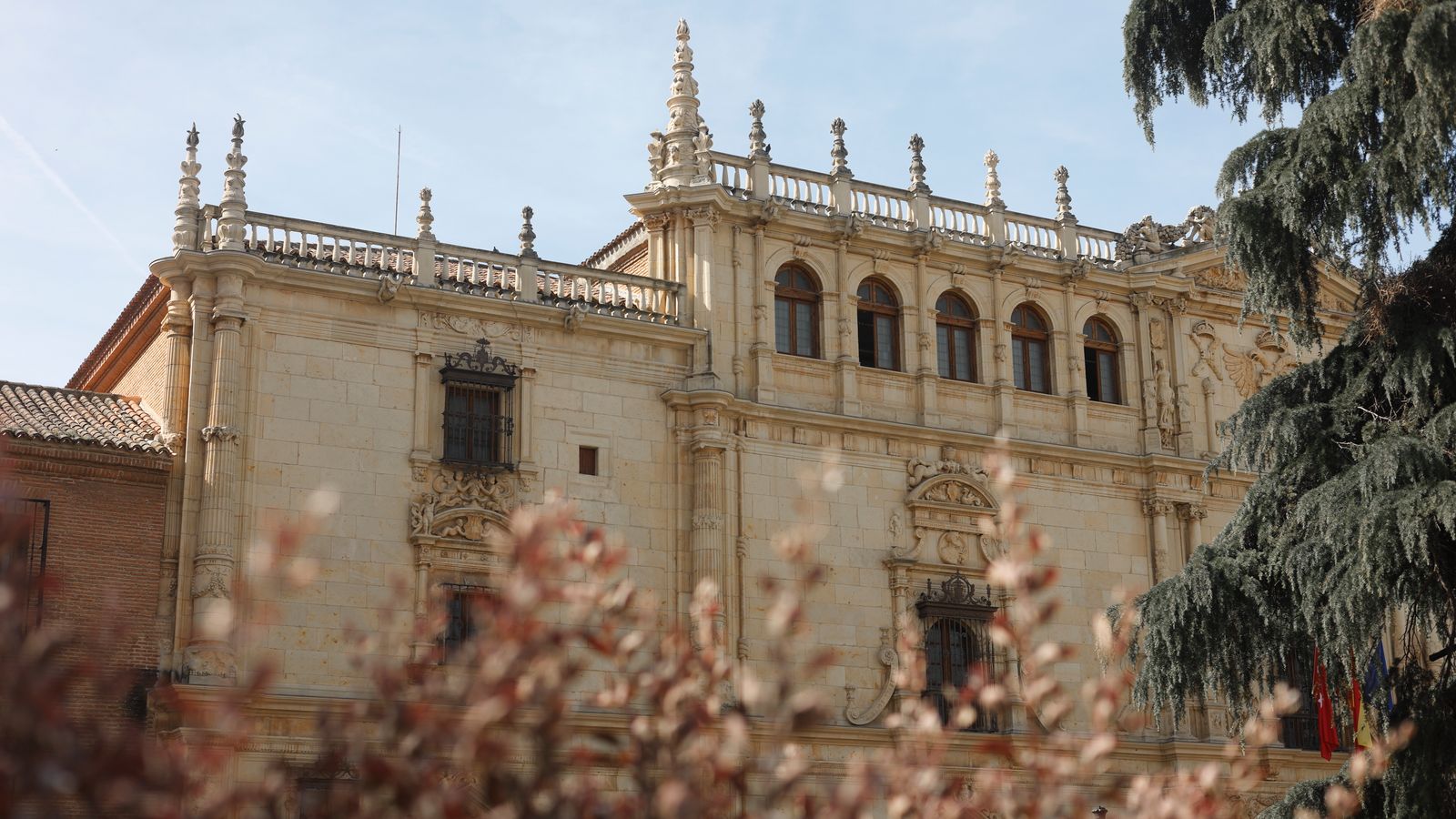
The office that decides if you get into a Spanish university is not the one that approves your visa
Spain requires two separate approvals before a non-EU applicant gets a public university seat: a Ministry homologación validating your foreign diploma, and a UNEDasiss accreditation with its own entrance exam. Neither is your student visa, and each runs on its own clock.

Germany doubled how long you get to find a new job if you lose one
Germany doubled the residence buffer for anyone on a fixed-term work permit or Blue Card whose job ends, three months to six, nine after an exploitative termination. Plus this week: Spain and Italy's border checks missed their reset date, and France raised its student visa financial bar by 40 percent.

The easy Spanish bank account can quietly sink your visa file
Opening a Spanish account in ten minutes on your phone is the trap, not the solution. The neobank that is simple to open often will not satisfy the certificado de no residencia, a visa proof-of-funds check, or a landlord. Here is the order that actually works.

A Spanish master's can cost €19,000 and still not count as a degree
Spain runs two kinds of master's under the same name. A título propio gets you a student visa but sits outside the official system, so it can't open a doctorate, a public-sector job, or the post-study job-search residence. One free registry check tells you which one you're buying.

Spain's student visa comes with an automatic right to work 30 hours a week
Since May 2025, Spain automatically authorises international students in higher education to work 30 hours a week, no separate permit, more generous than Germany, France or the Netherlands. Language school students are the exception nobody warns you about.

Greece will let you settle there on passive income alone, and tax it at 7%, not 44%
Greece's Financially Independent Person visa lets you relocate on €3,500 a month in pension, dividend or rental income, no property purchase required. Stack it with the 15-year 7% flat tax on foreign income for one of Europe's best-kept settlement routes.

Italy suspended Schengen with Spain this week
Italy shut its air and sea borders to non-EU travelers from Spain on 1 August 2026 over the Ceuta migrant crisis, for one month. Denmark and Finland want Spain suspended from Schengen entirely, France says no. Here's what's actually in force and what isn't.

Spain only needs one stamp on your Indian documents
India and Spain are both Hague Apostille members, so an MEA apostille is the only legalization your documents need, no embassy step required. The real trap is a 90-day clock on your police certificate that starts on the wrong date.

Switzerland's cheap degrees come with a six-month ban on earning anything
Most Swiss public universities charge under CHF 900 a semester, but non-EU students are legally barred from any paid work for the first six months of their studies. The post-study job-search permit is capped at six months too, and it cannot be extended.

Spain's digital nomad visa comes with a 24% tax rate almost nobody mentions
Spain's international teleworker visa asks for 200% of the minimum wage in income, and since 2023 it also unlocks the Beckham Law's flat 24% tax rate for six years. The honest catch: freelancers can bill Spanish clients for 20% of their work, employees cannot bill them at all.
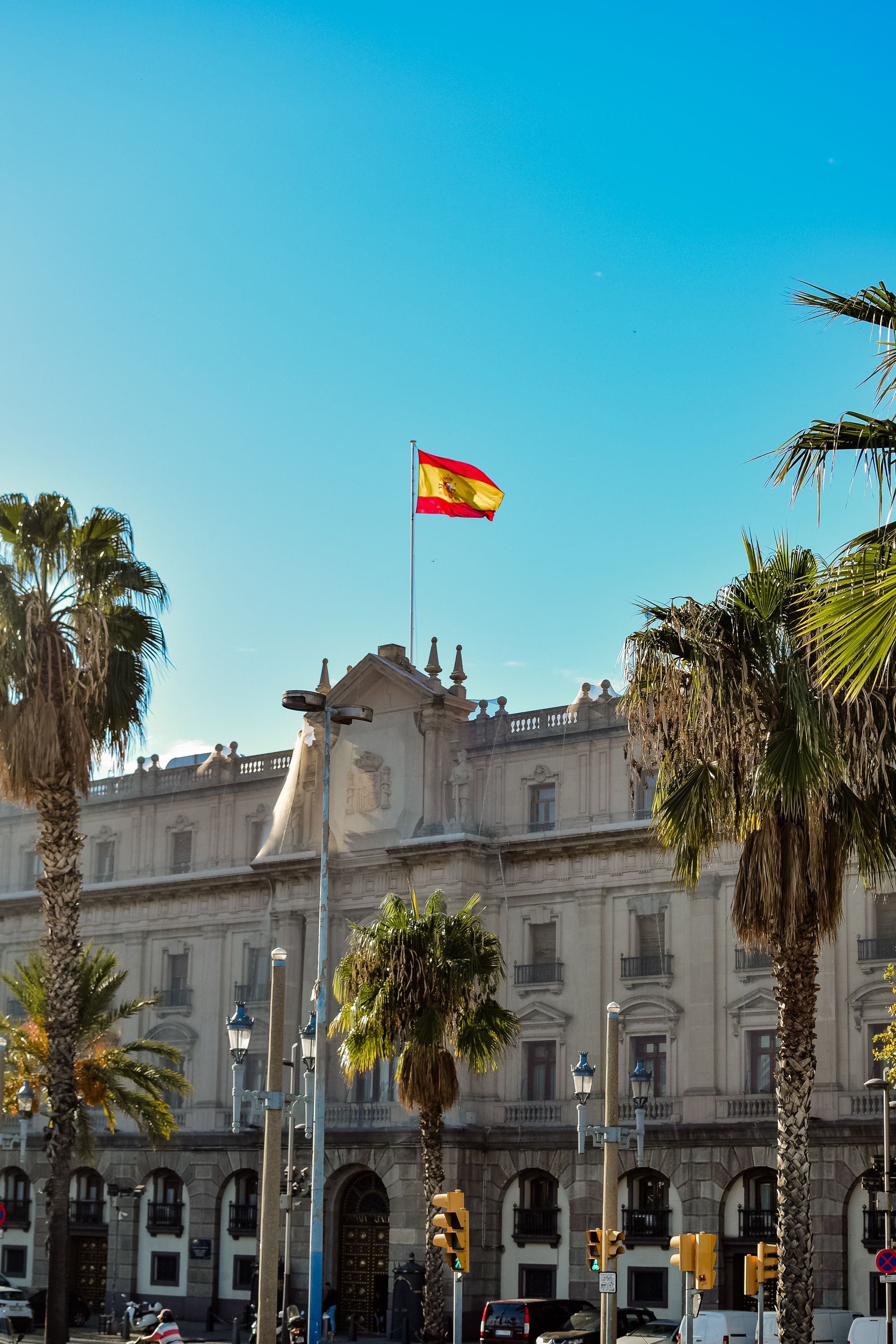
Your student years in Spain only count half toward permanent residence
Spain counts time on a student permit at 50% toward EU long-term residence, and only if your status never lapses. Since May 2025 removed the three-year wait to switch to a work permit, the timing of that switch decides how fast you settle.

Sweden's biggest scholarship counts your work hours, not your grades
The Swedish Institute Scholarship asks for 3,000 hours of work experience and proven leadership, and pays full tuition plus SEK 12,000 a month. The honest catch: Sweden capped student work at 15 hours a week and pushed citizenship from five years to eight.

The Czech Republic doesn't discount your tuition, it erases it, if you study in Czech
Public universities in the Czech Republic charge zero tuition for Czech-taught degrees, the same deal citizens get, no scholarship application needed. The honest catch: one language exam, and a 10-year wait for citizenship.

Finland's best scholarship needs no separate form, but citizenship just got three years harder
Finland automatically considers non-EU master's applicants for a scholarship covering full tuition plus €5,000, no extra form, then gives graduates two years to find work and a 10-day visa lane if that job is in tech. The honest catch: citizenship just went from five years to eight.
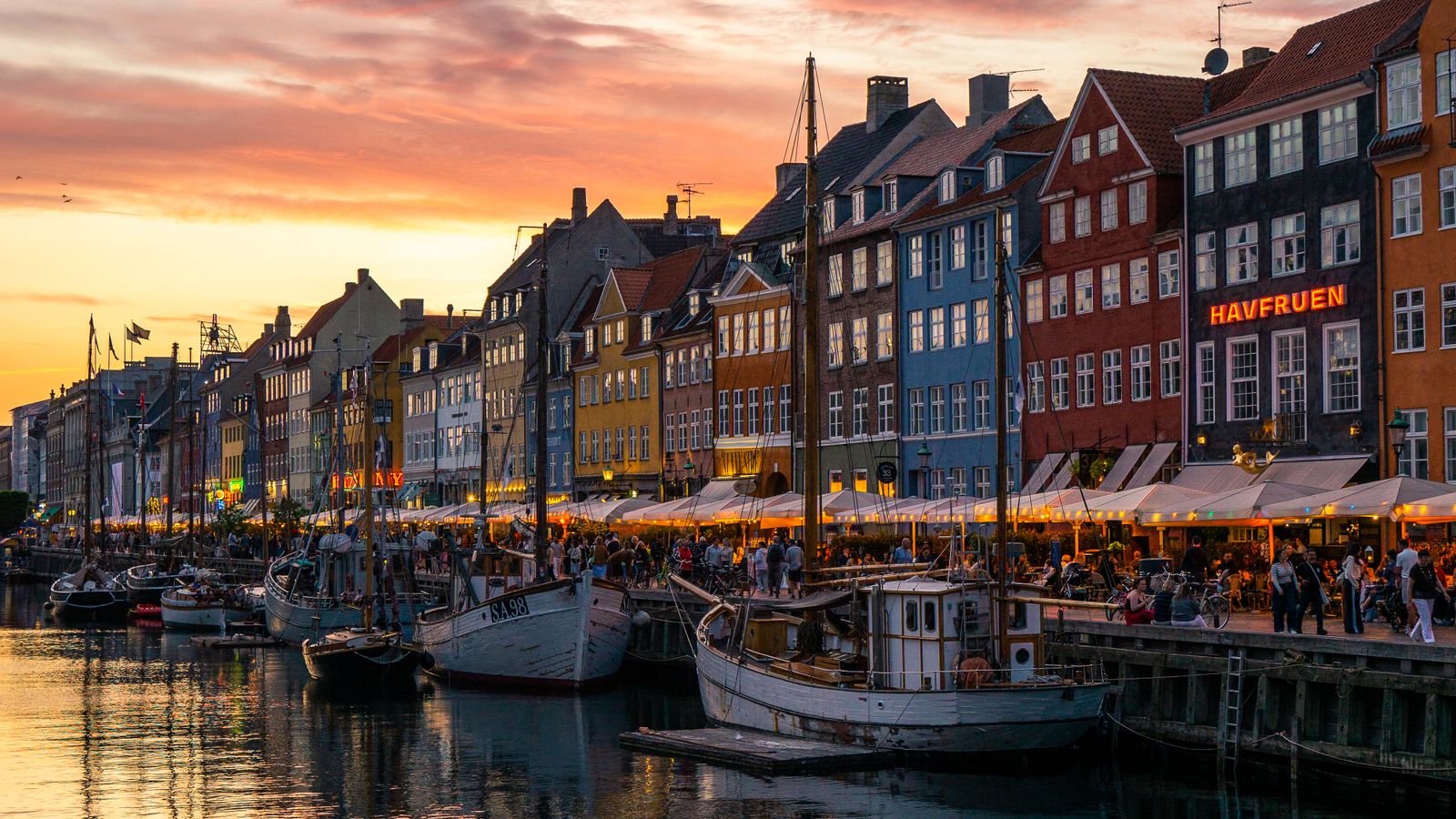
Denmark gives graduates three years with no strings, then one of Europe's toughest citizenship tests
The Establishment Card hands Danish graduates up to three years to find work, start a business or freelance, no job offer required. The honest catch: Danish citizenship asks for a test most Danes would fail.
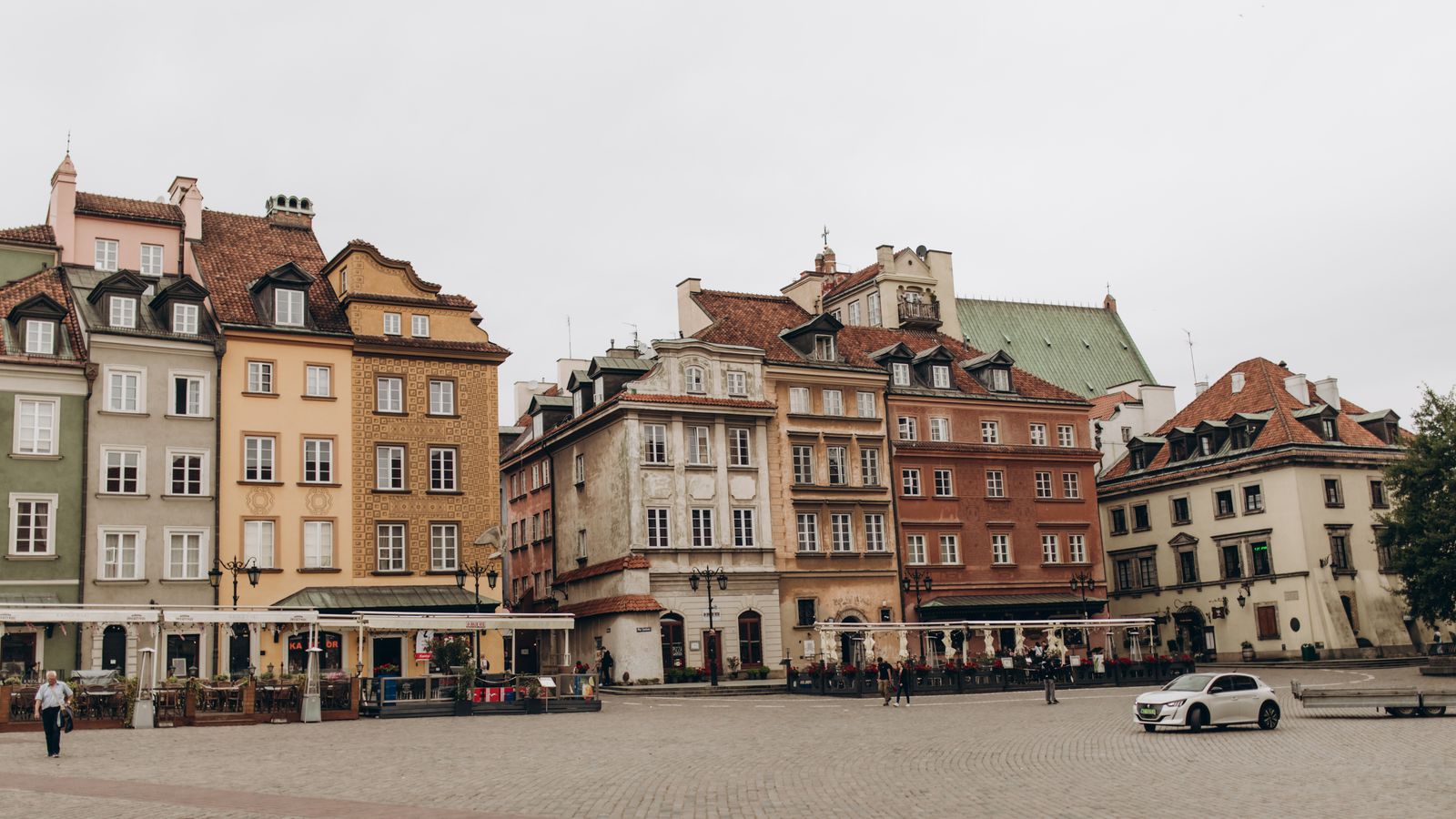
Poland's own graduates don't need a work permit at all, not even a fast one
Most countries speed up the paperwork for their own graduates. Poland removes it. Full-time graduates of Polish universities get free labour market access, no permit, no labour test, no employer filing.

Austria built a visa with no points at all, and only its own graduates can use it
Austria scores every skilled migrant on a 100-point matrix, except graduates of its own universities, who skip the points and the labour-market test entirely. The honest catch: citizenship usually means giving up the passport you already have.

The world's 7th-best university costs less a year than two months of rent nearby
ETH Zurich tripled its fees in 2025 and it's still one of the cheapest top-10 universities on earth. The honest catch: Switzerland caps non-EU work permits nationally at under 9,000 a year.

Ireland gives you 24 months to find a job, and none of it counts toward citizenship
Stamp 1G is the longest, least conditional post-study visa in Europe, no job offer required. The honest catch: your years as a student don't count toward naturalisation at all.

Latvia doesn't ask for your NEET rank, only that you passed it
Riga's medical schools admit on a qualifying NEET score, not a competitive rank, no donation, no capitation fee, and an EU-recognised degree at a fraction of what a private seat costs in India.
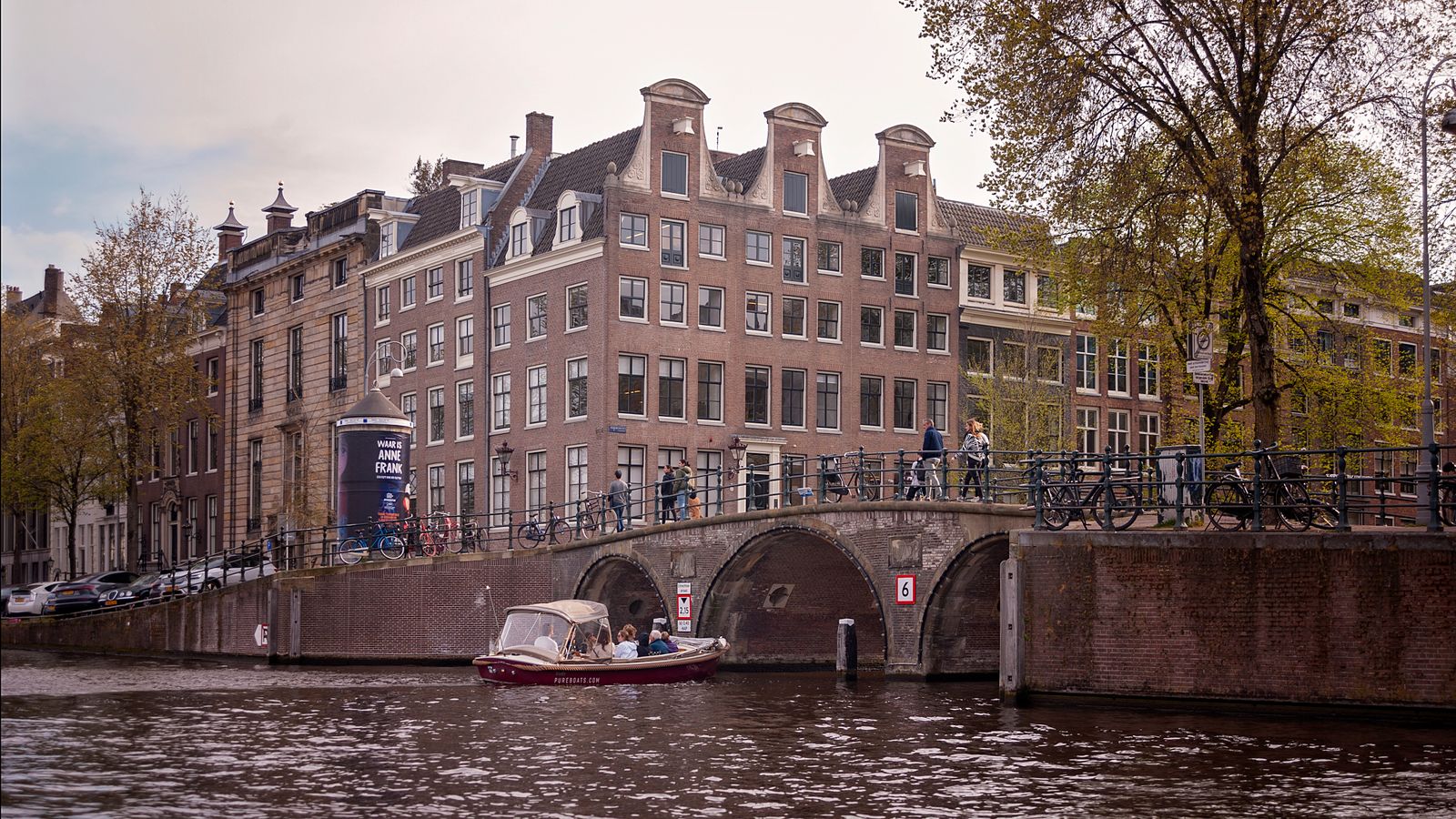
The Netherlands built a shortcut only its own graduates get, and it's starting to close
Graduate in the Netherlands and the salary bar for a real work visa drops by nearly a third, while a 30% tax break stacks on top. Both get smaller from 2027, and citizenship rules may tighten too.
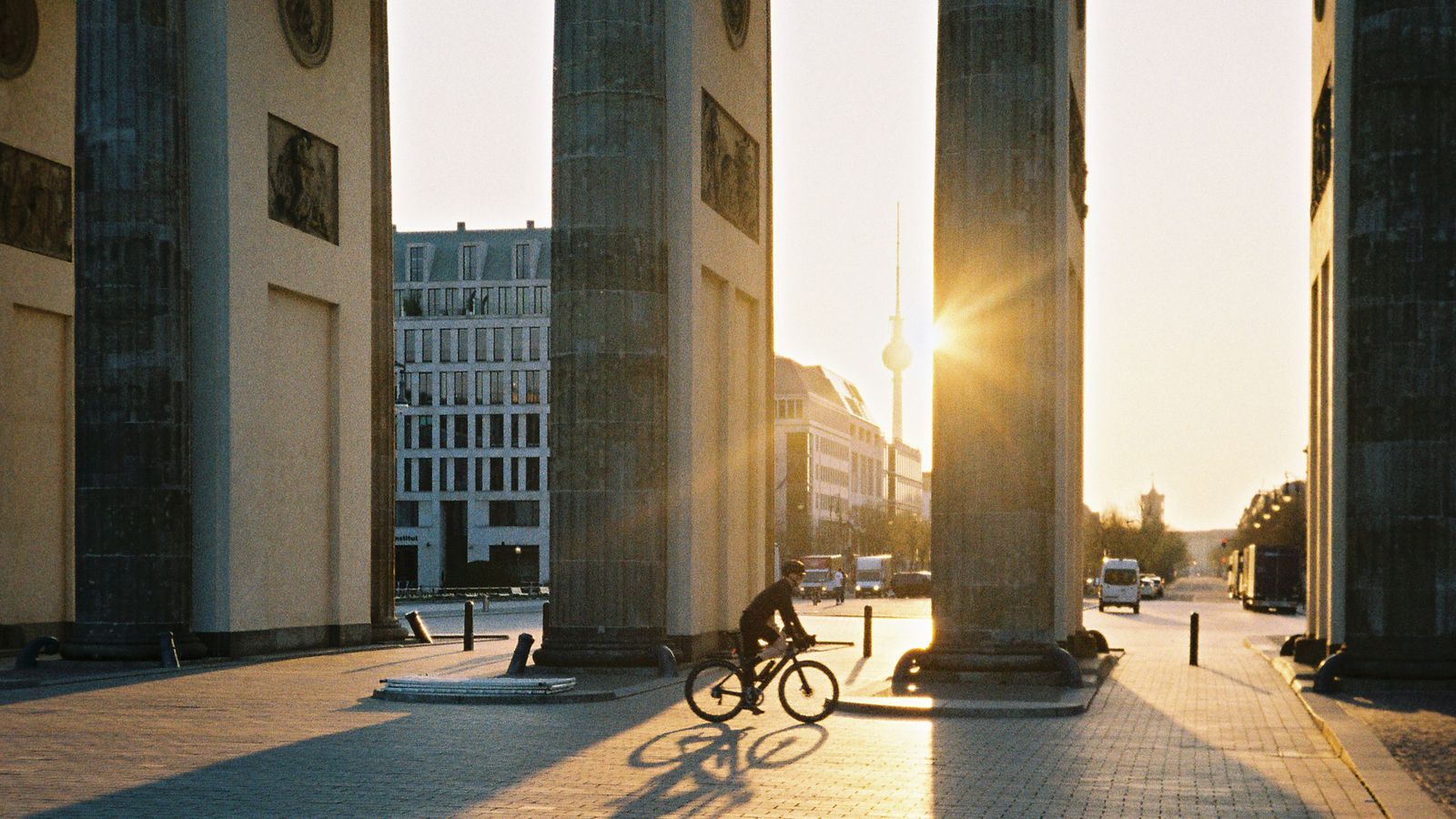
Germany's new dMAT: the exam Indian master's applicants now need
From Summer 2027, many Indian graduates applying for a German master's must sit the Digital Master Test as part of APS. Who it covers, who's exempt, the 29 June 2026 cutoff, and the registration window most people miss.

The €821 secret: studying in Spain for a fraction of what everyone else pays
Spain sets public-university tuition region by region, not nationally, and the gap is enormous. Pick the right autonomous community and the same degree can cost a fifth of what it costs in Madrid or Barcelona.
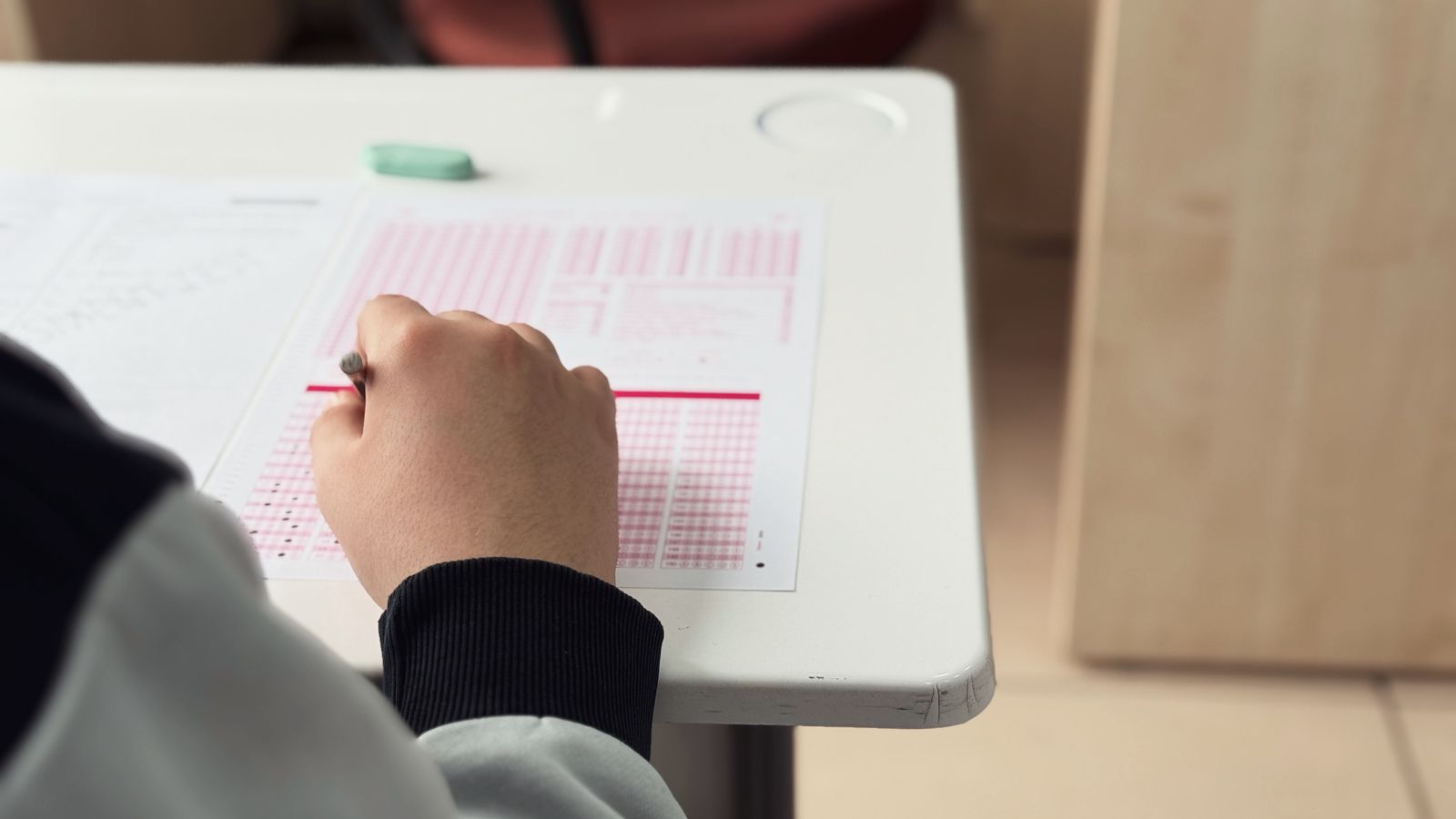
Study in Europe without IELTS: the letter that can replace the test entirely
If you studied in English, many European universities will waive IELTS for a Medium of Instruction letter. Which countries accept it, and the wording mistakes that get the letter rejected weeks before a deadline.

Study in France: a world-class degree for under €4,000 a year, and the one deadline that decides it
France's public universities charge non-EU students a fraction of UK or US prices, and let you stay two years to work after. The catch is a mandatory procedure with a hard January deadline most applicants mistime.
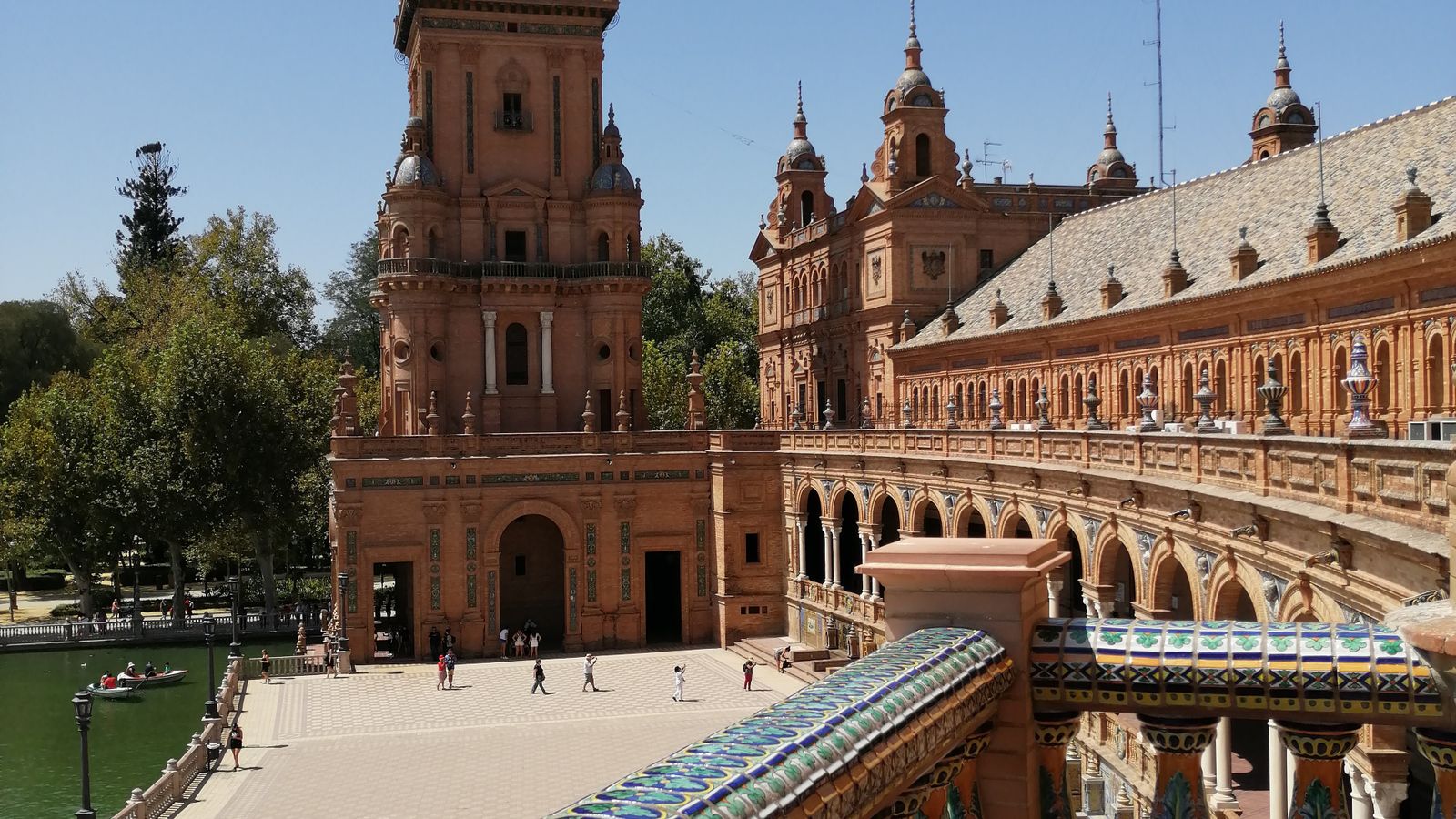
Latin American students: your route to an EU passport is 2 years, not 10
If you hold an Ibero-American nationality by origin, Spanish law lets you apply for citizenship after just two years of legal residence, and your student years count. Plus dual nationality, no language exam, and a scholarship built only for you.

Italy will pay you to study there, if you get one piece of paperwork right
Italy's DSU regional scholarship can waive your tuition and pay you a stipend, a dorm and free meals, decided mostly by family income, not grades. The catch is the ISEE paperwork almost nobody prepares correctly.
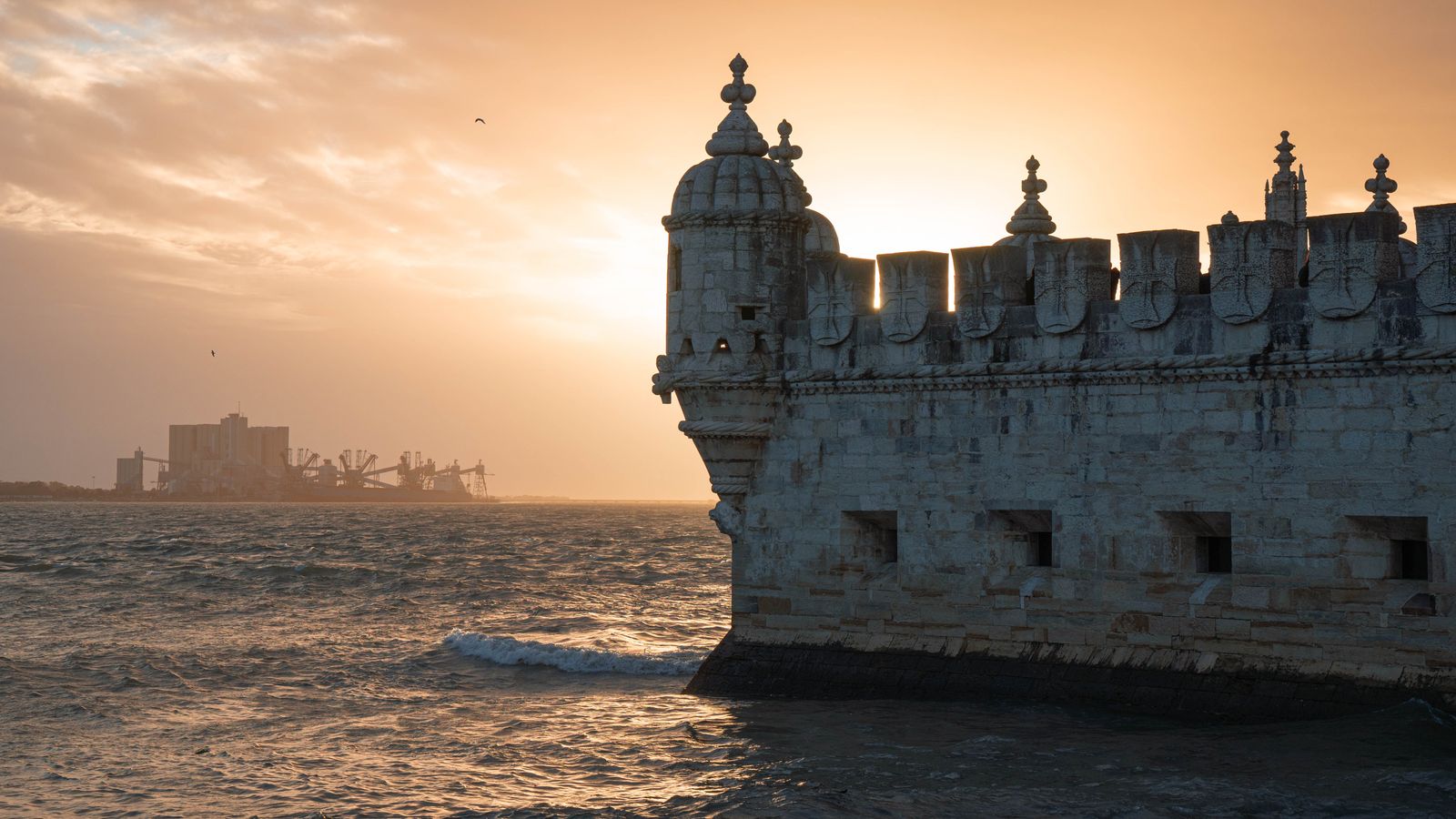
Portugal's quiet flex: a Financial Times top-10 business master's, for a fraction of the price
Portugal's real USP isn't beaches or a fast passport, that one just changed. It's Nova SBE in Lisbon: two master's in the FT global Top 10, taught in English, at roughly a third of UK prices. The honest 2026 read.

Spain just changed its student rules. One change could fund your degree. One could sink your visa.
On 20 May 2025 Spain rewrote the rulebook for international students. Two changes matter most, and they pull in opposite directions. Which one you walk into isn't luck, it's a single decision you make before you apply.

Why 70% of Indian applicants get rejected in Germany, and how we fix it
Most consultancies sell a dream. We show you the landmines first: the six real reasons Indian and South Asian applications fail in Germany, the ones commission-paid agents won't mention, and exactly how we defuse each one.

Get paid €800+/month in Spain: the Auxiliares de Conversación program, and the 3 traps that get applicants rejected
Spain's Ministry of Education pays graduates to work 14 hours a week in public schools. India is on the eligible list. But three quiet mistakes get most applicants rejected, and the window closes June 30.

5 silent reasons Spain rejects student visas (and most applicants never find out why)
A Spanish student-visa rejection rarely comes with a real explanation. Here are the five quiet reasons files get refused, four of them invisible until it's far too late.

Your CV is quietly costing you European scholarships. Here's what reviewers actually see.
Scholarship reviewers spend about 60 seconds on your CV before deciding. Most strong candidates lose funding in those 60 seconds, and never learn why.

Sperrkonto explained: Germany's student visa blocked account in 2026
The blocked account is the single biggest financial hurdle for non-EU students heading to Germany. Exactly how it works, who needs one, how to open it, and what to do if you can't fund the full amount.

APS certificate India: step-by-step process for German university applications
Indian, Pakistani, Bangladeshi, Chinese and Vietnamese students applying to German universities need the APS certificate before they can even submit. How to get it without losing two months.

Stipendium Hungaricum 2027: the complete guide to Hungary's fully-funded scholarship
Hungary's flagship scholarship covers full tuition, monthly stipend, dorm housing and health insurance, for hundreds of South Asian and African students every year. The 2027/2028 cycle opens late 2026.

DAAD vs Erasmus+: a side-by-side comparison for 2027 European master's scholarships
Europe's two flagship scholarships fund different things, on different timelines, for different students. Stipends, eligibility, acceptance rates, and which to apply for. Or both.
Get the next guide before everyone else.
Deadlines, rule changes and fresh country guides, straight to you. No spam.
More posts coming weekly
The Bocconi merit scholarship deep-dive, how to write an SOP that actually gets you in, Spain's TIE residence card process, the German blocked account vs the Verpflichtungserklärung.
Ask us a question on WhatsAppHave a question we haven't covered?
Ask it.
We'll write the answer.
or skip the form, WhatsApp us instantly