
Settle in Europe, Germany
A German degree cuts the wait for permanent residence to two years, and the years you spent earning it count for nothing
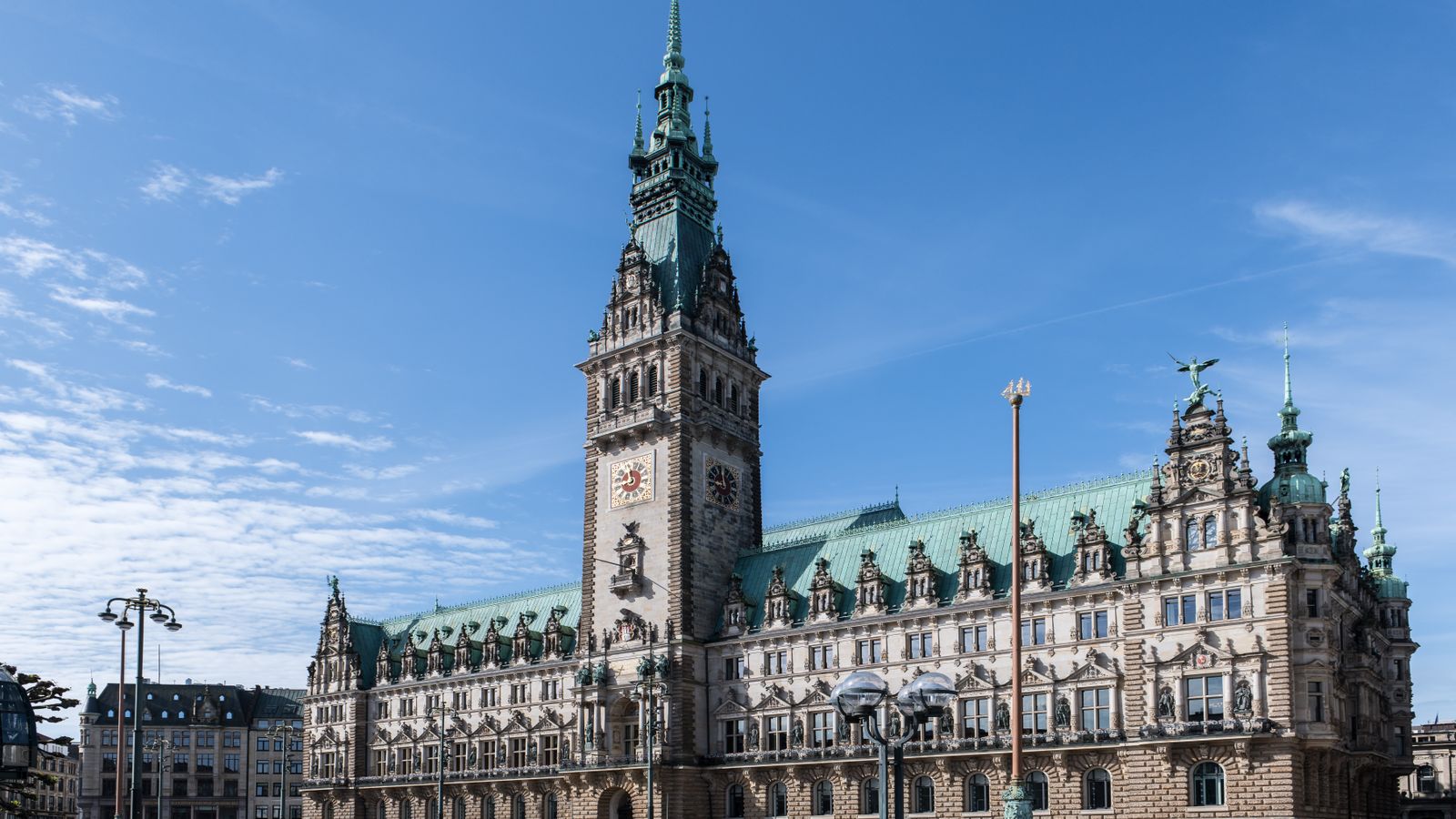
Ask almost anyone what it takes to settle permanently in Germany and you will hear the same number: five years. It is in every forum answer and most agency brochures, and for a large share of people it is simply wrong. Germany writes a separate, much shorter rule for skilled workers, and inside that rule it writes a shorter one again for people who earned their qualification in Germany. If you finished a German degree and then took a job that matches it, the settlement permit is available after two years of work, not five. That is the good news, and it is the part nobody sells you. The bad news arrives in the same paragraph. The years you spent sitting in that German lecture hall count for nothing at all on the two-year clock, and only half on the five-year one.
The five-year rule everyone quotes is the slow lane
The general settlement permit lives in section 9 of the Residence Act, and it is demanding. You need five years of holding a residence permit, a secured livelihood, sixty months of compulsory or voluntary contributions to the statutory pension insurance, German at a level the law calls sufficient, basic knowledge of the German legal and social order, and adequate housing. Sixty months of pension contributions is the condition that quietly decides most of these files, because it has nothing to do with how long you have lived in the country and everything to do with how long you have been in contributory employment.
That route exists for everyone. It was never designed for the person Germany spent three years training. Since the skilled immigration reforms, the route designed for that person sits one section later.
What section 18c actually says
Section 18c paragraph 1 grants a skilled worker a settlement permit, with no employment agency approval needed, after three years of holding a residence permit under sections 18a, 18b, 18d or 18g, while still in qualifying employment, with 36 months of pension contributions, German at B1, and the general conditions on livelihood, housing and civic knowledge carried over from section 9. Three years, not five. Thirty-six months of pension contributions, not sixty.
Then comes the sentence this article is about. The three-year period shortens to two years, and the 36 months of contributions shorten to 24, if the skilled worker successfully completed vocational training or a course of study inside Germany. One sentence, and it removes a third of the wait. It applies to the Ausbildung graduate exactly as it applies to the master's graduate, which is worth saying out loud in a market where everyone is pushed toward a degree. What it asks for is a German qualification, successfully completed, and a job that keeps you inside the skilled-worker permit family while the clock runs.
Your study years buy you the discount, not the credit
Here is where honest advice separates from sales. The clock in section 18c counts time holding a permit under sections 18a, 18b, 18d or 18g. Those are the skilled worker with vocational training, the skilled worker with an academic qualification, the researcher and the EU Blue Card. The student permit is section 16b, and section 16b is not on that list. Neither is the post-study job-search permit, nor the Opportunity Card. So the two years you spent finishing a master's in Munich, and the eighteen months you then spent looking for work, contribute exactly nothing to the two-year figure. The clock starts on the day the work permit is issued, and not one day earlier.
On the general five-year route the treatment is gentler but still lossy. Section 9 paragraph 4 counts lawful residence for the purpose of study or vocational training at half its actual length, and section 9b applies the same halving to the EU long-term residence permit. A four-year stretch as a student is worth two years. This is the arithmetic that catches people who assumed that living in Germany was the same as accruing time in Germany. It is not, and the difference is measured in years of your life.
Read the two rules together and the German degree turns out to work like a coupon rather than a deposit. It does not pay into your residence account. It reduces the price of what you buy afterwards, and only if you buy the right thing, which is qualifying skilled employment.
The gap between two years and five is decided by which residence permit you hold on day one after graduation, and most people find that out too late to change it. We look at your degree, your offer and your permit category together, work out which clock you are actually on, and tell you plainly what it would take to move to the faster one. Send us your qualification and your job offer while the contract is still being drafted, not after the permit has already been issued in the wrong category.
The Blue Card route is faster still, and it does not need a German degree
If your salary reaches the EU Blue Card threshold, section 18c paragraph 2 beats everything above. A Blue Card holder gets a settlement permit after 27 months of Blue Card employment with matching pension contributions and German at A1, and after 21 months if the German reaches B1. Twenty-one months is the shortest legal path to permanent residence in Germany, and it says nothing about where you studied. For a graduate of an Indian or Nigerian university who lands a well-paid German job, this is the door, and the German degree discount is irrelevant.
The price of that door is the salary. For 2026 the standard Blue Card threshold is 50,700 euros gross a year. The reduced threshold is 45,934.20 euros, and it covers listed shortage occupations and applicants whose degree is less than three years old, with the employment agency checking that your terms match those of a comparable German worker. Both figures are recalculated every year, so a contract signed against last year's number is a contract that may not qualify. Germany issues most of Europe's Blue Cards and Indian nationals take more of them than any other nationality, which is worth knowing mostly because it means the route is well worn and the immigration offices are not confused by it.
The language levels are defined in the law, not by your school
The Residence Act defines its own vocabulary in section 2, and the definitions are exact. Simple German means A1. Adequate German means A2. Sufficient German means B1. Every route above that mentions sufficient German is asking for B1: the two-year German-degree route, the three-year skilled-worker route, the 21-month Blue Card route and the general five-year route. Only the 27-month Blue Card route accepts A1. If you studied a degree taught entirely in English, which is how a great many international students get to Germany in the first place, B1 is a real obstacle sitting at the end of a route that otherwise looks effortless, and it takes most people the better part of a year of evening classes. Starting it in your final semester rather than in your second year of work is the single cheapest thing you can do about this deadline.
The conditions people forget until the appointment
The skilled-worker settlement permit borrows several conditions from section 9 wholesale: your livelihood has to be secured without public funds, no grounds of public security may stand against you, you have to be permitted to work and to hold any licence your profession requires, you need basic knowledge of the German legal and social order, and you need adequate housing. That last one surprises people. A registered address in a shared flat where you are one of six on a single contract has been enough to stall an otherwise clean file, because the office measures space, not goodwill. The civic knowledge condition is normally met with the Leben in Deutschland test, the same one used for the integration course, and it is not difficult, but it is a certificate you either have on the day or you do not.
Why permanent residence matters more than it did two years ago
For a while Germany offered naturalisation after three years to people who could show exceptional integration, and a lot of plans were quietly built around it. The Bundestag repealed that route in October 2025 and it stopped applying on 30 October 2025, returning the standard to five years of lawful residence. Applications filed before the cutoff are still processed under the old rule; everything after it is not. So the fast milestone in Germany is now the settlement permit, not the passport. Someone who graduates from a German university, starts work, keeps their permit in the right category and reaches B1 can be permanently settled at the two-year mark and naturalised at the five-year mark, and those are two different processes with two different clocks that happen to run at the same time.
Who this fits, and who it does not
It fits the German graduate whose first job matches the qualification, because that person is on the two-year clock from the day the work permit is issued and usually does not know it. It fits the Ausbildung graduate just as well, and often better, because the trade job comes faster than the graduate job. It fits the high earner with a Blue Card regardless of where they studied, since 21 months beats everything. It fits badly the graduate who takes a job below skilled-worker level to stay in the country, because that permit is not on the qualifying list and the clock never starts. It fits badly the person who spends two years on the job-search permit, which builds no time on any of these routes. And it does nothing at all for someone who never gets to B1, because every route worth having stops there.
Frequently asked questions
How fast can I get permanent residence in Germany after a German degree?
Two years. Section 18c paragraph 1 of the Residence Act gives a skilled worker a settlement permit after three years of holding a work residence permit, and that period drops to two years, with the pension requirement dropping from 36 to 24 months, if the skilled worker successfully completed vocational training or a degree inside Germany. You also need German at B1, a secured livelihood, adequate housing and basic knowledge of the legal and social order.
Do my student years in Germany count toward permanent residence?
Not on the skilled-worker route. The two-year and three-year clocks in section 18c count only time holding a residence permit under sections 18a, 18b, 18d or 18g, and the student permit under section 16b is not on that list. On the general five-year route in section 9 your study years do count, but at half their real length. Four years of study count as two.
How long does an EU Blue Card holder wait for a settlement permit?
Twenty-seven months of Blue Card employment with A1 German, or twenty-one months with B1. The pension contributions have to cover the same period. This is set out in section 18c paragraph 2 of the Residence Act and it does not require a German degree, so it is the faster door for someone who studied elsewhere.
What are the 2026 EU Blue Card salary thresholds in Germany?
50,700 euros gross a year in 2026 for the standard Blue Card. The reduced threshold is 45,934.20 euros, and it applies to listed shortage occupations and to applicants whose degree is less than three years old, with the employment agency checking that the terms match those of a comparable domestic worker. Both figures are recalculated every year.
What German level do I actually need?
The Residence Act defines its own terms. Simple German means A1, sufficient German means B1. The two-year and three-year skilled-worker routes and the 21-month Blue Card route all ask for B1. Only the 27-month Blue Card route runs on A1. The certificate has to come from a recognised examiner such as the Goethe-Institut, telc or the OSD.
Is a settlement permit the same as German citizenship?
No. A settlement permit is unlimited residence and unrestricted work, on a German passport it is not. Naturalisation is a separate process that normally needs five years of lawful residence. The three-year fast track that existed briefly was repealed with effect from 30 October 2025, so permanent residence is now the milestone that actually arrives early, and citizenship is the one that does not.
- , Check which section your residence permit was issued under. Sections 18a, 18b, 18d and 18g start the clock; section 16b and the job-search permit do not.
- , Confirm your German qualification is formally completed, not merely finished, since the two-year reduction turns on successful completion of a domestic degree or vocational training.
- , Count your pension contribution months, not your calendar months. The requirement is 24 months on the German degree route, 36 on the standard skilled-worker route, 60 on the general five-year route.
- , Book a B1 examination with a recognised provider such as the Goethe-Institut, telc or the OSD, and sit it before your clock runs out rather than after.
- , Take the Leben in Deutschland test for the civic knowledge condition, and keep the certificate.
- , Have a tenancy that shows adequate space in your own name or with you named on the contract, before you book the appointment.
- , If you are on a Blue Card, check your salary against the current year's threshold, 50,700 euros for 2026 or 45,934.20 euros for a shortage occupation or a degree under three years old.
Residence law in Germany is applied by the local foreigners authority, and practice on housing, pension months and acceptable language certificates varies between cities. Salary thresholds are recalculated annually. Confirm the current figures and your own permit category before relying on anything here.
Keep exploring
One door always opens another.
Pull the next thread. Each one ends somewhere useful, a clearer shortlist, a real number, a plan you can keep, whether or not you ever work with us.
See where you fit on the map
Slide your grades and budget and watch Europe light up with your real matches.
Open thisTake the two minute assessment
A few honest questions and you walk away with a personal blueprint, free.
Open thisStudy in Germany
Free public tuition and the strongest job market in Europe.
Open thisStudy in Italy
Income based tuition and some of the most generous aid on the continent.
Open thisStudy in France
World names, tiny public fees, a generous safety net.
Open thisRead the hard truths
The traps agents paid by commission will never warn you about.
Open thisAsk us on WhatsApp
One honest message. No script, no pressure, a real person who has walked it.
Open thisWe do this for you, properly, every time.
Don't navigate this alone. Take the free 2-minute path finder and get a personalised read on exactly where you stand.
This guide reflects Visagrad's own view and information gathered at the time of writing. Rules, fees, deadlines and timelines can change quickly, and some details may already have moved. Nothing here is official, legal or immigration advice. For accurate, up-to-date guidance built around your own situation, speak with us first.