
Work in Europe, Spain
Sent to Spain by a US employer? You can stay on US Social Security for five years, if the certificate comes first
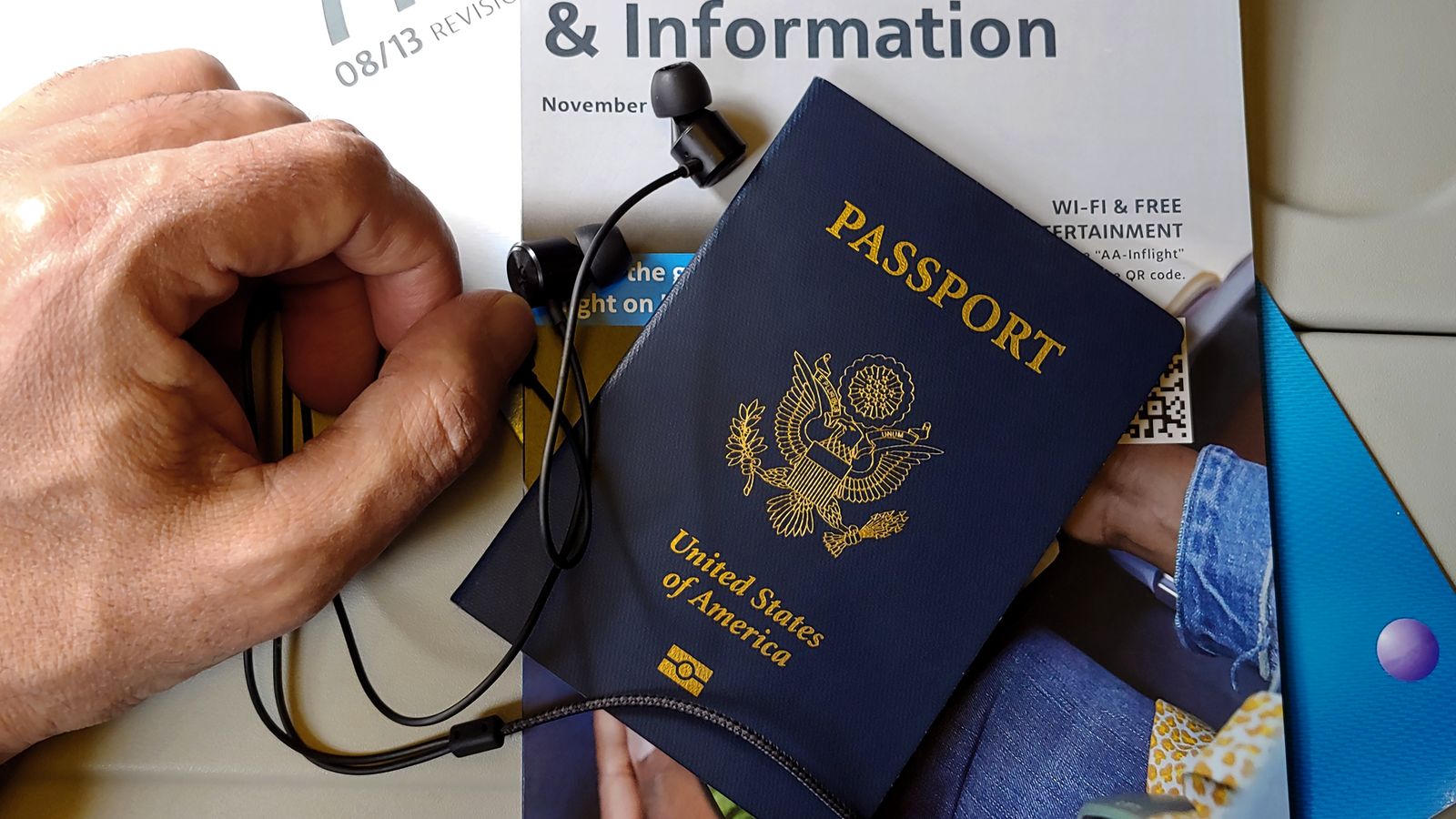
If you hold a US passport and your employer is sending you to its office in Madrid or Barcelona for a few years, there is a treaty written for exactly your situation. Spain and the United States signed a social security agreement in 1986, in force since 1 April 1988, and under it an American posted to Spain by a US firm can keep paying into US Social Security for up to five years and pay nothing into the Spanish system. For the employer that is a real saving. For you it means your US earnings record keeps growing as if you had never left. But the exemption is not automatic, it leaves a gap in Spain that people only notice when they need a doctor, and a newer treaty that changes some of the numbers is signed but still not in force.
Who pays social security when a US company sends you to Spain?
Start with the default, because everything else is an exception to it. Article 4 of the agreement says that a person employed in the territory of one country is subject only to that country's laws for that employment. Work in Spain, and Spain is where you contribute. That is the same rule Spain applies to almost everyone who works there, whatever their passport.
Article 5 is the exception that matters to Americans. Where a worker covered by US law for work done for a firm in the United States is sent by that firm to work in Spain, the worker stays subject only to US law, as if still working in the United States, provided the work in Spain is not expected to last more than five years. Read that condition carefully. It looks at what was expected when you were sent, not at how long you end up staying. A posting planned from the start as a six-year move does not qualify for a single day of the exemption, and a contract or assignment letter that says so will be read against you.
The five years is generous by international standards. The US Social Security Administration itself points out that its agreements allow longer detachments than most other countries' treaties do. A Spanish worker posted inside the European Union, by comparison, works under EU rules with a much shorter standard period. That difference is why the US agreement is worth understanding before the move, not after.
What does the certificate of coverage actually do?
The exemption only exists on paper if someone can prove it. Under article 3 of the administrative arrangement that sits alongside the agreement, the country whose laws apply issues a certificate, at the request of the employer, the employee or a self-employed person, stating that the worker is covered by its laws. That certificate is the proof that the worker is exempt from compulsory coverage in the other country. For an American who stays in the US system, the certificate is issued by the Social Security Administration, and US employers can request it through the SSA's online certificate of coverage service.
The practical trap is timing. Spain does not know you are exempt until the certificate exists. A Spanish entity that hires you, or a payroll provider that registers you locally, will apply the Spanish default and start contributions. Advisers who deal with American assignees regularly describe the same pattern: a US employer keeps withholding Social Security and Medicare while the Spanish side also collects, and the double payment runs until the paperwork catches up. Get the certificate requested before the first Spanish payroll, keep a copy with your immigration file, and make sure whoever runs payroll in Spain has it too.
It also matters which company you work for in Spain. The SSA asks whether the person stays an employee of the US company or becomes an employee of its Spanish affiliate, because the answer changes how the case is handled. If the Spanish company becomes your employer and pays your salary, check with the SSA how your posting is treated before assuming you are still covered from the United States.
The social security side of a US posting is decided by a few lines in an assignment letter: who employs you, how long the posting is expected to last, and when the certificate was requested. Send us the draft before you sign it, and we will check it against the agreement and the Spanish permit it has to sit beside.
What happens if the assignment runs past five years?
Projects slip and postings get extended. The 1986 agreement has an answer, but it is narrow. If the work in Spain is prolonged for more than five years because of unforeseen circumstances, US law can continue to apply for a new period of not more than one year, and only if the competent Spanish authority consents. The request has to be made before the first five years end. Ask in year six and the answer is already decided: you move into the Spanish system.
Article 7 leaves one more door open. The competent authorities of the two countries may agree an exception to the coverage rules for any person or category of persons. The SSA gives the kind of example where this is used, an assignment unexpectedly extended for a few months beyond the five-year limit. It is a discretionary agreement between two governments, so it is a request you make with a good reason and a paper trail, not a right you can count on.
The permit side runs on its own clock, and the two clocks are easy to confuse. A US employee moved to a group company in Spain normally needs an intra-company transfer authorisation under article 73 of Law 14/2013, decided by the Large Companies and Strategic Groups Unit. The law asks for a prior, continuous working relationship of at least three months with the group, and the ICT-EU version, for managers, specialists and trainees moving from a company outside the European Union to a group entity in Spain, is valid for three years or for the length of the transfer. None of that tells the Spanish social security system you are exempt. Only the certificate does that.
What does the exemption leave you without in Spain?
This is the part almost no assignee is told. The SSA says plainly that workers exempted from Spanish coverage by the agreement pay no Spanish social security for any programme, including short-term sickness benefits, health insurance, unemployment benefits, workers' compensation and family allowances, and generally cannot receive benefits from them. You are outside the Spanish public health system as a contributor. The SSA's own advice is that you and your employer may wish to arrange other protection.
Spanish immigration law makes that advice compulsory. Article 62 of Law 14/2013 requires anyone applying for one of its residence authorisations, the intra-company transfer included, to have public health insurance or private health insurance with an insurer authorised to operate in Spain. A worker paying into the Spanish system meets that through the system itself. A worker on a US certificate does not, so the company policy has to cover Spain properly, and the same goes for a spouse and children who come with you. A US group plan that only reimburses emergencies abroad is unlikely to satisfy that requirement.
The gap shows up later too. Years on a US certificate are years with no Spanish contributions, so they build nothing toward a Spanish pension or Spanish unemployment benefit. For most short postings that is the right trade, because the US record keeps growing instead. For someone who expects to settle in Spain for good, it is worth doing the arithmetic before accepting the exemption by default.
Is the 2024 agreement in force yet?
Here is the honest status, because several guides write about the new treaty as if it already applies. Spain and the United States signed a new social security agreement in Madrid on 8 April 2024, meant to replace the 1986 one. Spain's parliament has authorised it. The text says it enters into force on the first day of the second month after the last of the diplomatic notes in which the two governments confirm they have completed their internal procedures. When we checked in October 2026, the US Social Security Administration still listed only the 1986 agreement, in force since 1 April 1988, as the one that applies to Spain.
When it does take effect, three changes matter for a posted American. The extension after five years becomes up to two years instead of one. Self-employed people get their own five-year detachment rule, which the 1986 text does not give them. And for Spanish pensions, Spain will calculate twice, once with Spanish contributions alone and once adding the US years, and pay whichever is more favourable. The transitional rules are worth knowing now: a posting already recognised under the old agreement keeps running under the old agreement until it ends, and any request to extend it made after the new treaty takes effect is decided under the new one, counting the time already spent.
What if you are hired in Spain, or you are self-employed?
If you are not sent by a US firm but hired directly by a Spanish company, for example on a highly qualified professional permit, the detached-worker rule does not apply to you. Article 4 puts you in the Spanish system, and US Social Security is not due on that Spanish job. The same reasoning catches many remote workers: the agreement speaks of a person sent by a firm to work in the other country, so someone who moves to Spain on their own initiative and keeps working for a US company has a hard time fitting the posting rule. Whether a particular remote arrangement qualifies is for the SSA to decide, not for the employee to assume.
For the self-employed, the 1986 agreement is short. Someone who would otherwise be covered in both countries for self-employment is covered only by the country where they reside. Move your residence to Spain and your self-employment is covered in Spain.
The agreement still helps at retirement. Spain pays a retirement pension after at least fifteen years of contributions, two of them within the last fifteen. If you fall short, Spain can count your US credits, provided you have at least one year of Spanish coverage. The United States does the same in reverse once you have at least six US credits, roughly a year and a half of work. Each country then pays its own share. If your career is likely to straddle both countries, our pages on working in Spain and on work routes across Europe show how the permit side of that move is usually built.
Frequently asked questions
Do Americans posted to Spain pay Spanish social security?
Not if the posting qualifies under the 1986 social security agreement between Spain and the United States. An employee sent to Spain by a US firm, for work that is not expected to last more than five years, stays covered only by US Social Security. The exemption is proved with a certificate of coverage issued by the US Social Security Administration, and without it Spain applies its normal rule: you work in Spain, you contribute in Spain.
Who issues the certificate of coverage for a US worker in Spain?
For someone who stays in the US system, the certificate is issued by the US Social Security Administration, on request from the employer or the self-employed person. US employers can request it online through the SSA's certificate of coverage service. In the other direction, a Spanish worker sent to the United States gets the certificate from the Spanish side.
What happens after five years on a US certificate in Spain?
Under the agreement in force today, if the assignment runs past five years because of circumstances nobody planned for, US coverage can continue for one more year at most, and only if the Spanish authorities consent. The request has to be made before the five years end. After that, the worker moves into the Spanish system. If the assignment was expected to last more than five years from the start, the detached-worker rule does not apply at all.
Has the new 2024 Spain and US social security agreement entered into force?
Not as of October 2026. The new agreement was signed in Madrid on 8 April 2024 and Spain's parliament authorised it, but it only enters into force on the first day of the second month after both governments exchange notes saying their procedures are complete. The US Social Security Administration still lists the 1986 agreement, in force since 1 April 1988, as the one that applies to Spain.
This article reflects the 1986 social security agreement between Spain and the United States and its administrative arrangement, the agreement signed on 8 April 2024, and Law 14/2013 as they stood in October 2026. Certificates of coverage are decided case by case, so speak to a Visagrad expert before an assignment letter is signed.
Keep exploring
One door always opens another.
Pull the next thread. Each one ends somewhere useful, a clearer shortlist, a real number, a plan you can keep, whether or not you ever work with us.
See where you fit on the map
Slide your grades and budget to see where you fit across Europe, with Spain leading your matches.
Open thisTake the two minute assessment
A few honest questions and you walk away with a personal blueprint, free.
Open thisRead the hard truths
The traps agents paid by commission will never warn you about.
Open thisAsk us on WhatsApp
One honest message. No script, no pressure, a real person who has walked it.
Open thisWe do this for you, properly, every time.
Don't navigate this alone. Take the free 2-minute path finder and get a personalised read on exactly where you stand.
This guide reflects Visagrad's own view and information gathered at the time of writing. Rules, fees, deadlines and timelines can change quickly, and some details may already have moved. Nothing here is official, legal or immigration advice. For accurate, up-to-date guidance built around your own situation, speak with us first.